
Fast & Accurate CNC Turning Services

Get high-quality machined parts quickly with reliable accuracy, competitive pricing, and flexible manufacturing options.

What is CNC Turning?

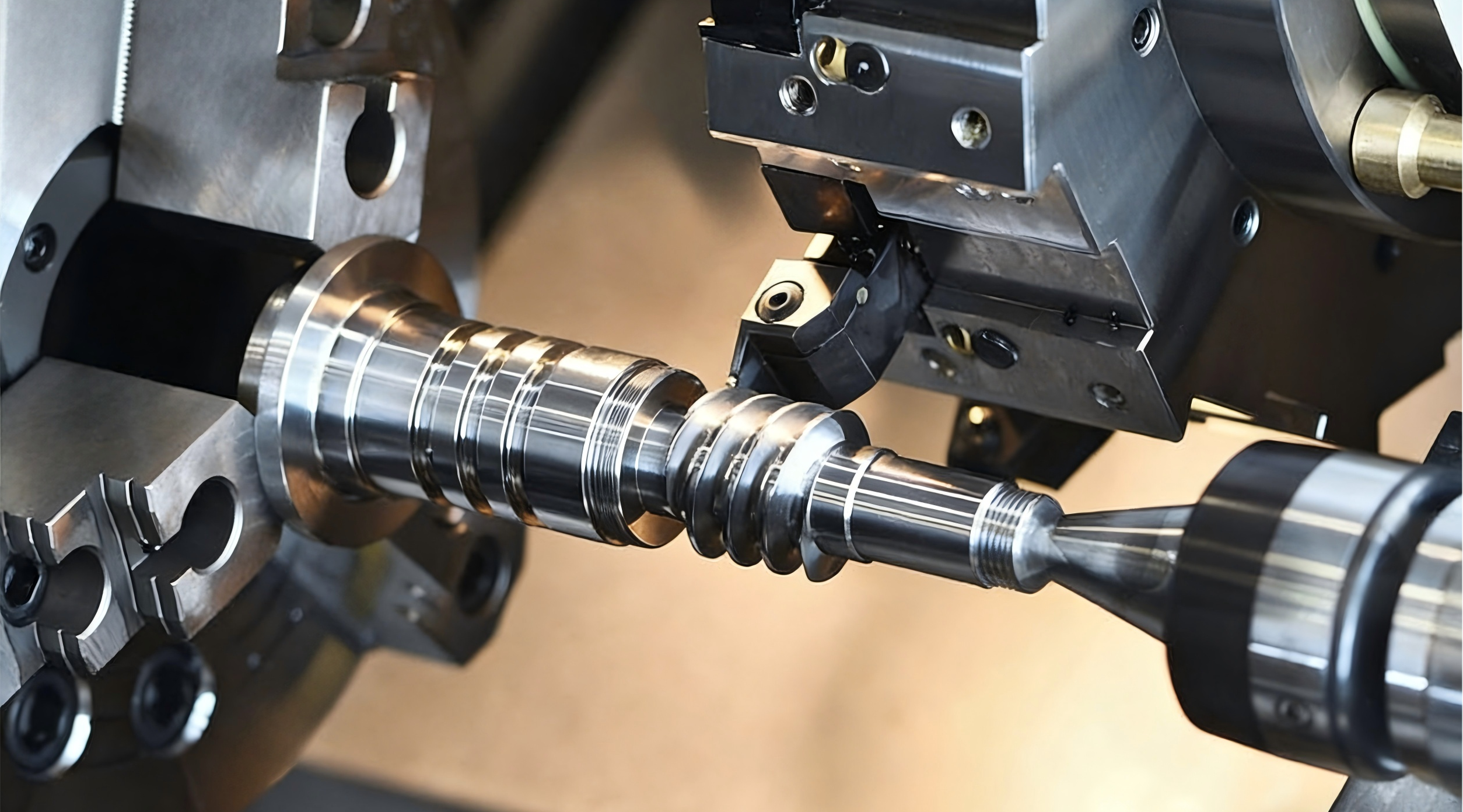
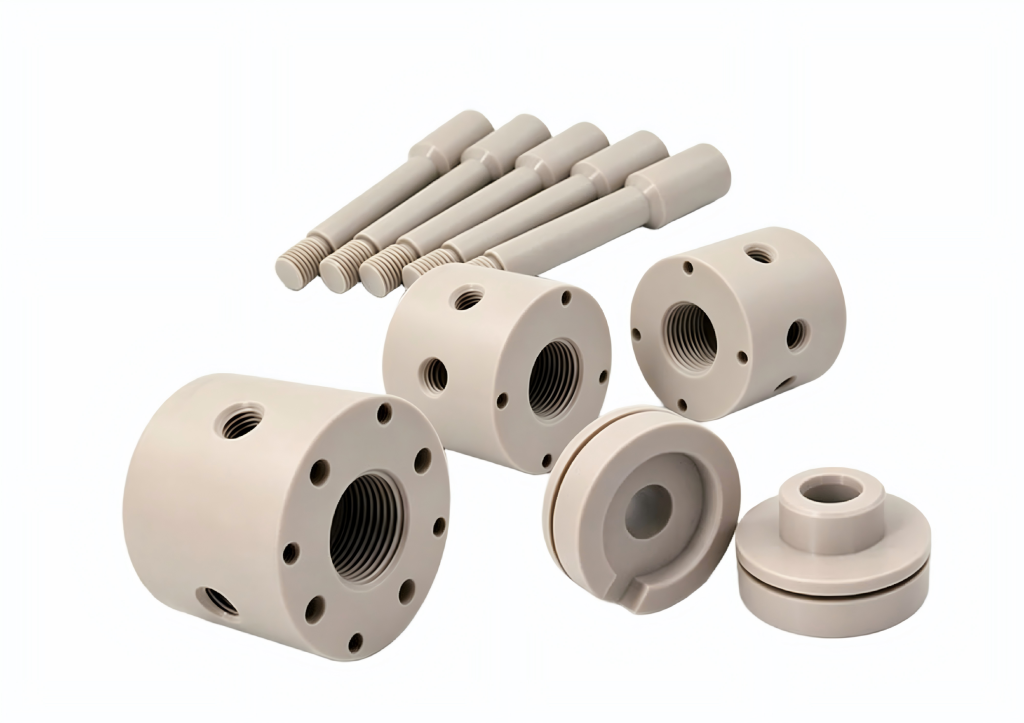
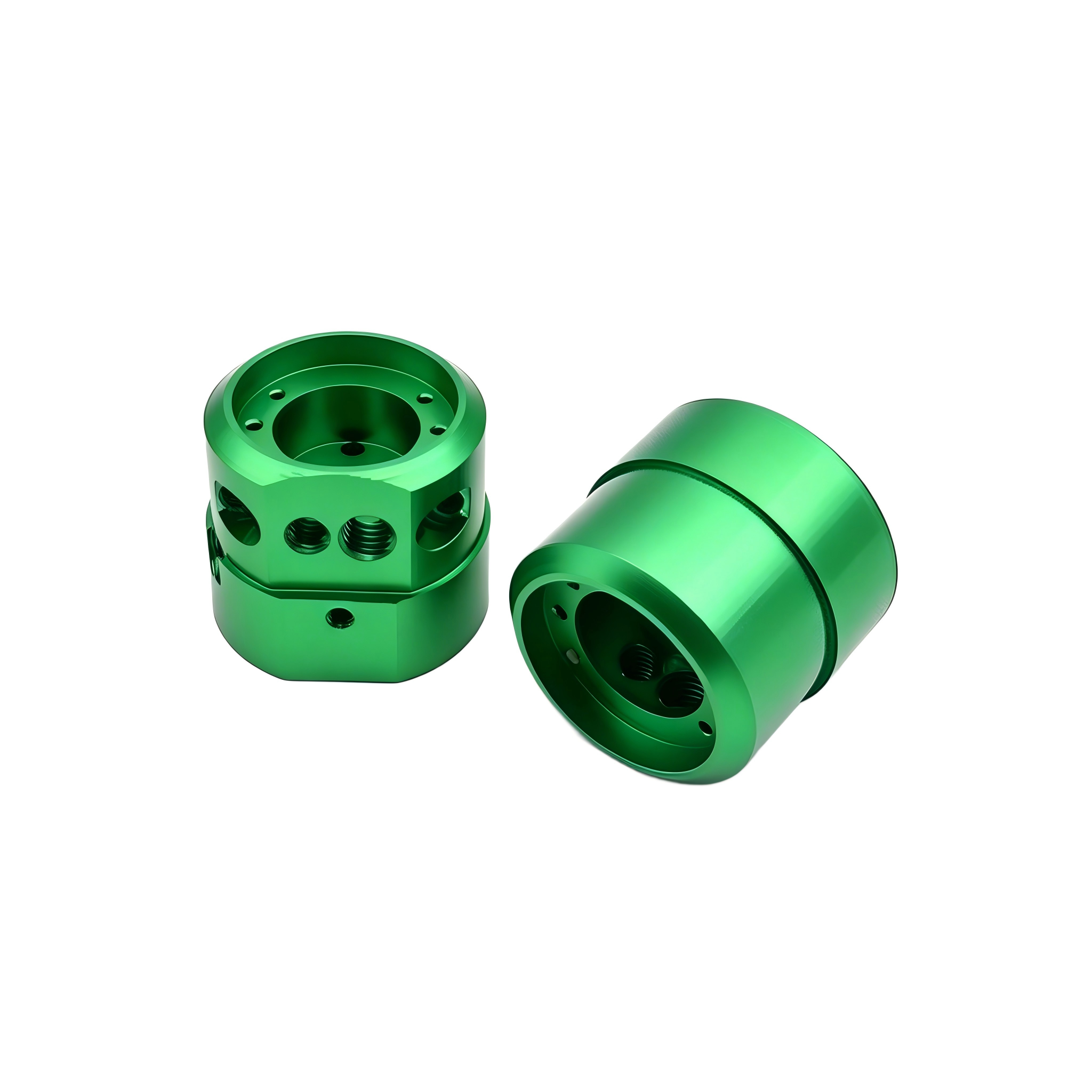
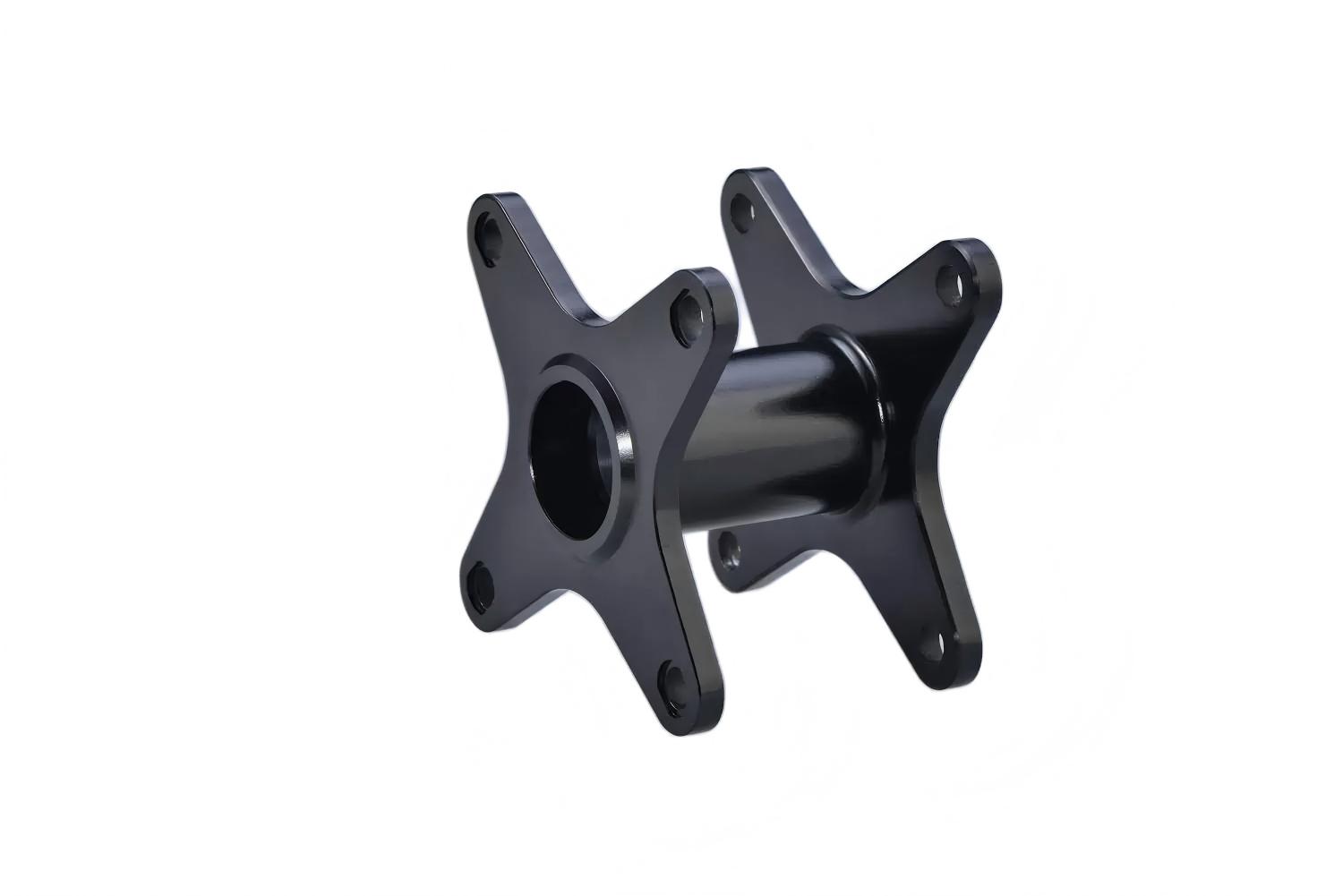
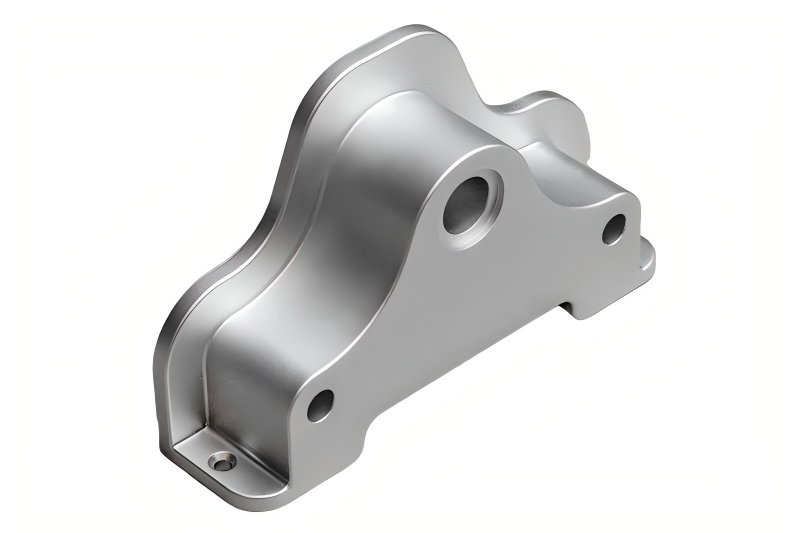
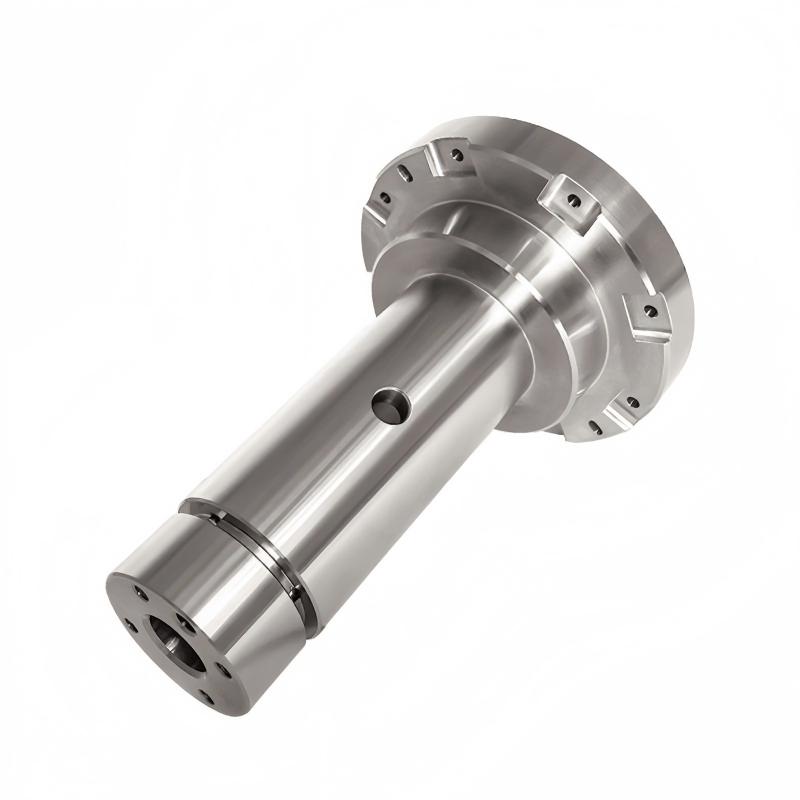
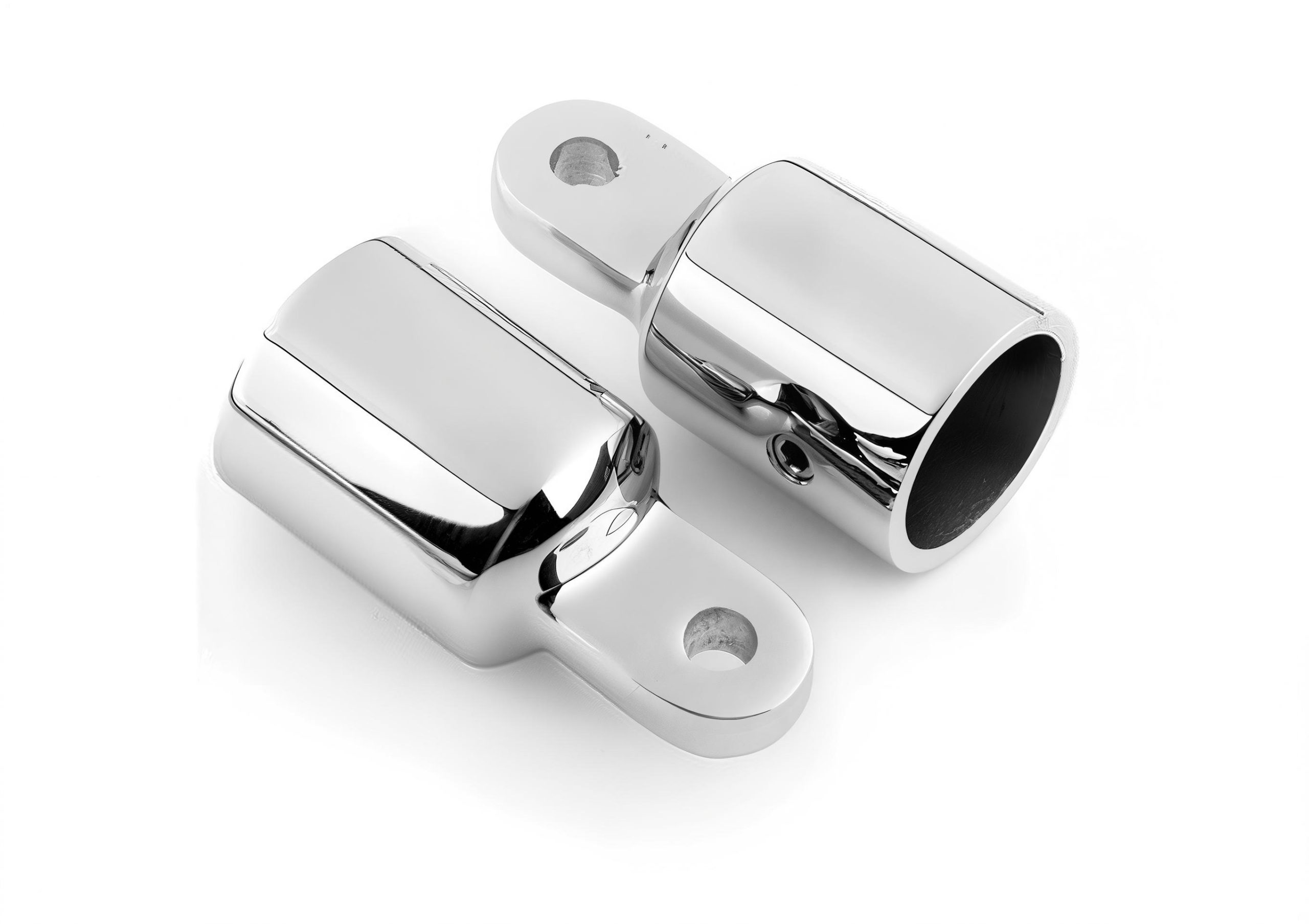
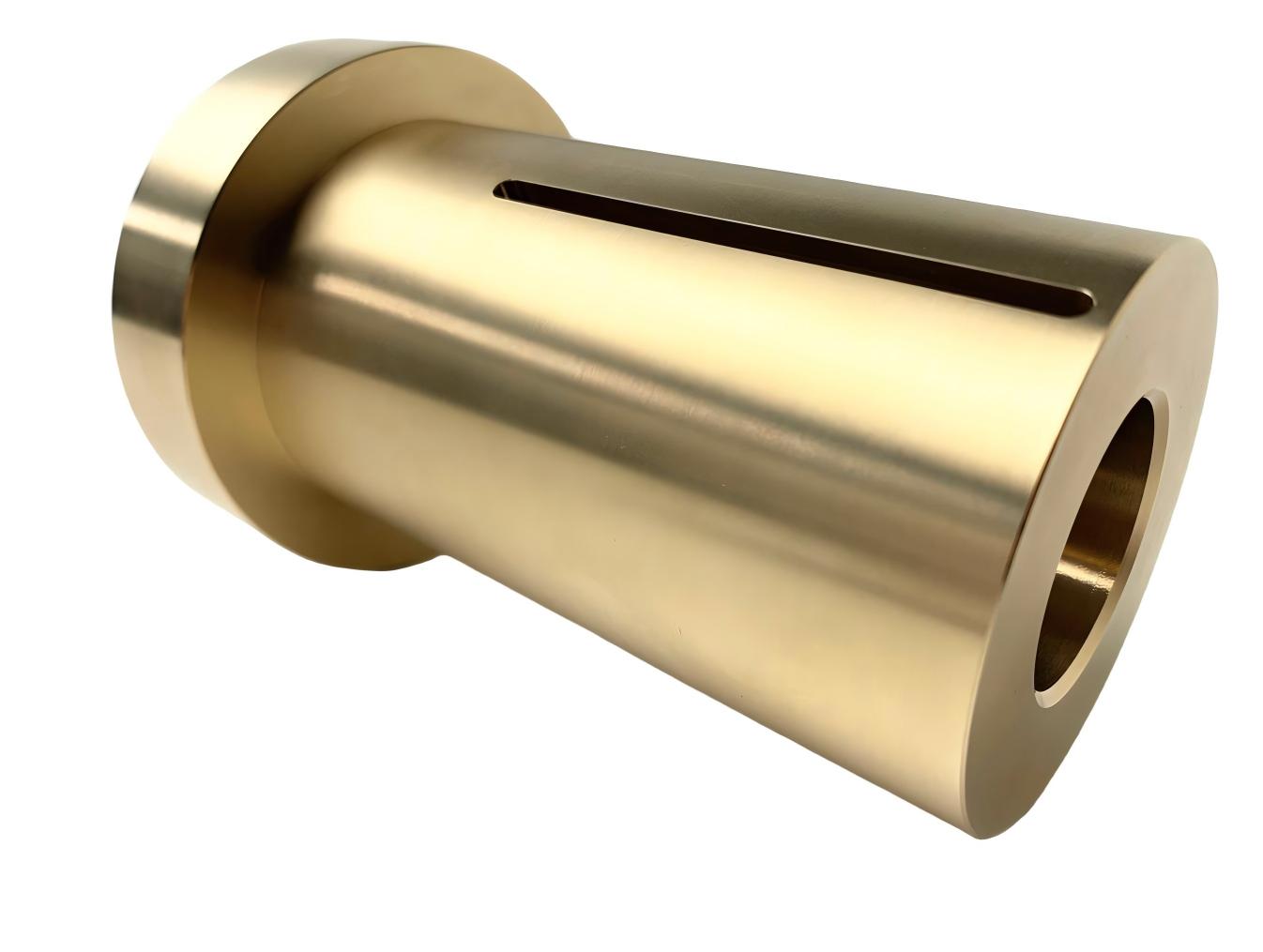
CNC turning is a precision machining process where a cutting tool removes material from a rotating workpiece to create cylindrical or round parts. The process is widely used for manufacturing shafts, bushings, connectors, housings, threaded components, and other high-accuracy metal or plastic parts.

At RAPIDMFG-ONLINE, we provide CNC turning services for rapid prototyping, low-volume production, and high-volume manufacturing with tight tolerances and excellent surface finishes.

0 mm
Tolerance Precision Machining
Why Choose us

Why Global Clients Trust RAPIDMFG-ONLINE

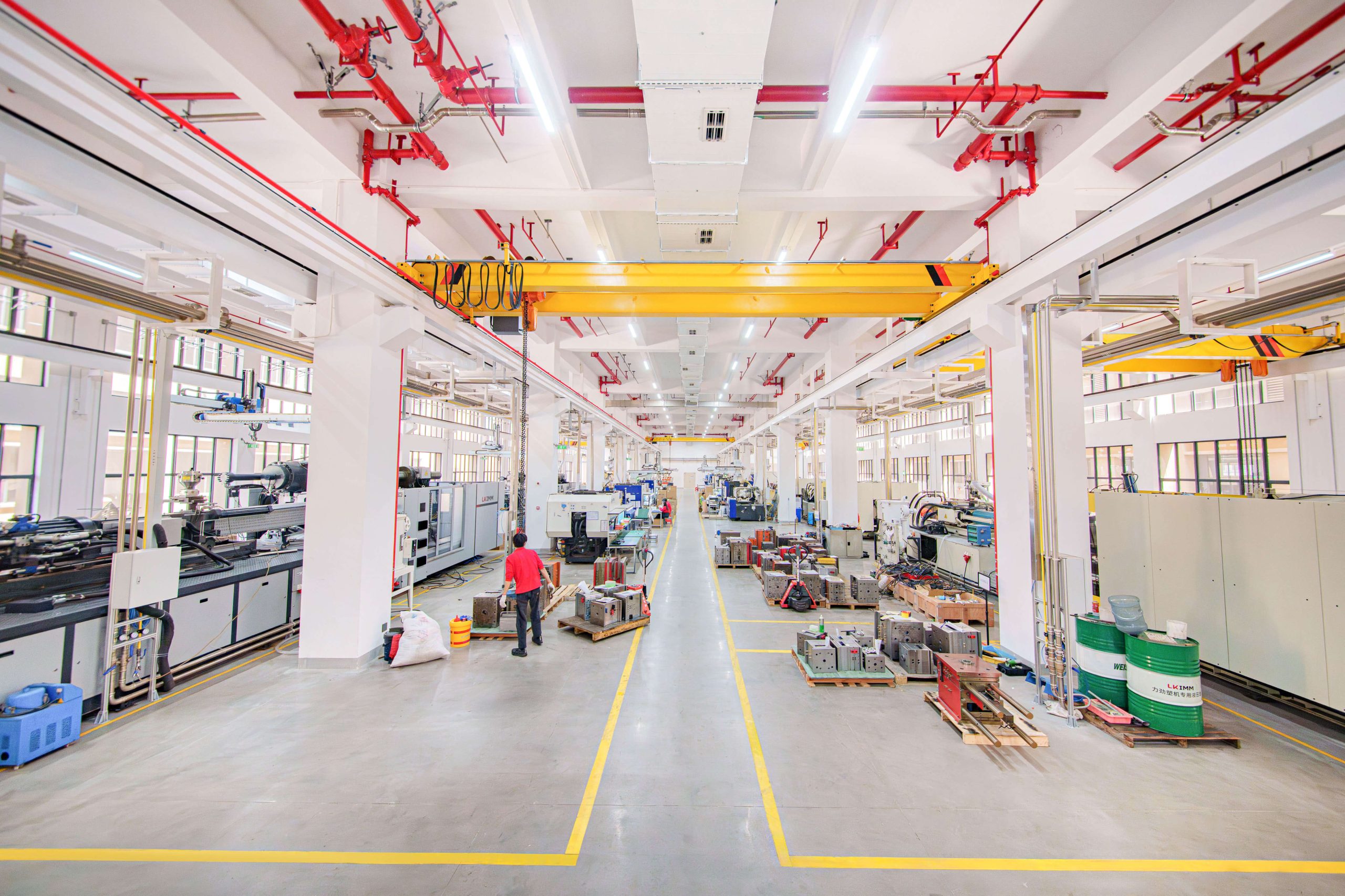
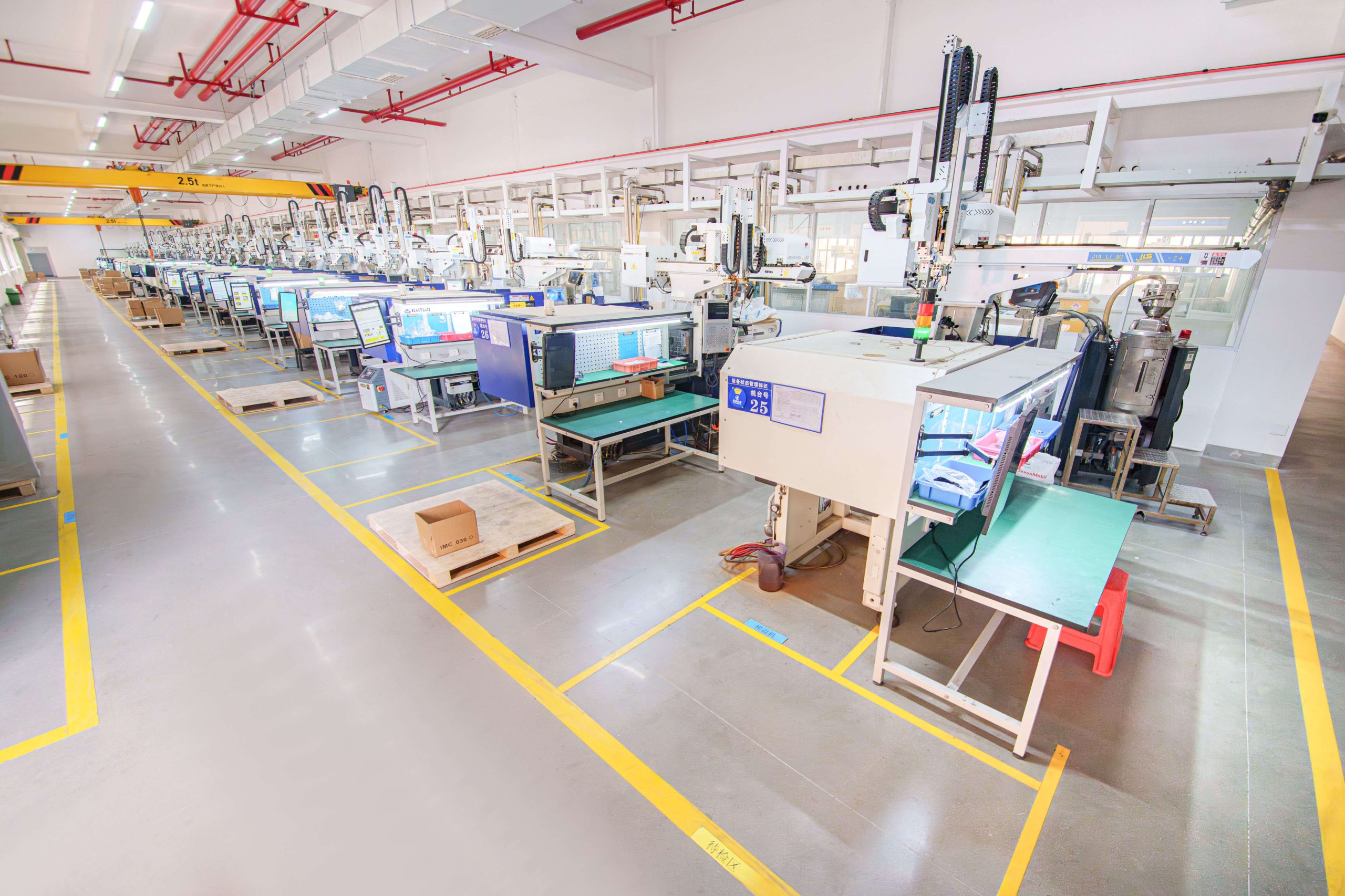
Choosing the right CNC Turning partner directly affects part accuracy, surface finish, cost efficiency, and delivery speed. At RAPIDMFG-ONLINE, we combine advanced CNC turning capabilities, experienced engineering support, and strict quality control to deliver high-precision turned components for global industries.
Fast Turnaround

Rapid production to meet tight deadlines and accelerate your project.

Quality Assurance

ISO 9001 & IATF 16949 certified processes ensuring high-quality output.

Professional Expertise

Skilled engineers and operators with decades of manufacturing experience.

On-Time Delivery

Reliable scheduling to ensure your orders are delivered as promised.

Customized Solutions

Tailor-made services to meet your specific project requirements.

Flexible Production

Capable of low-volume, prototyping, and large-scale production efficiently.

CNC Turning Materials

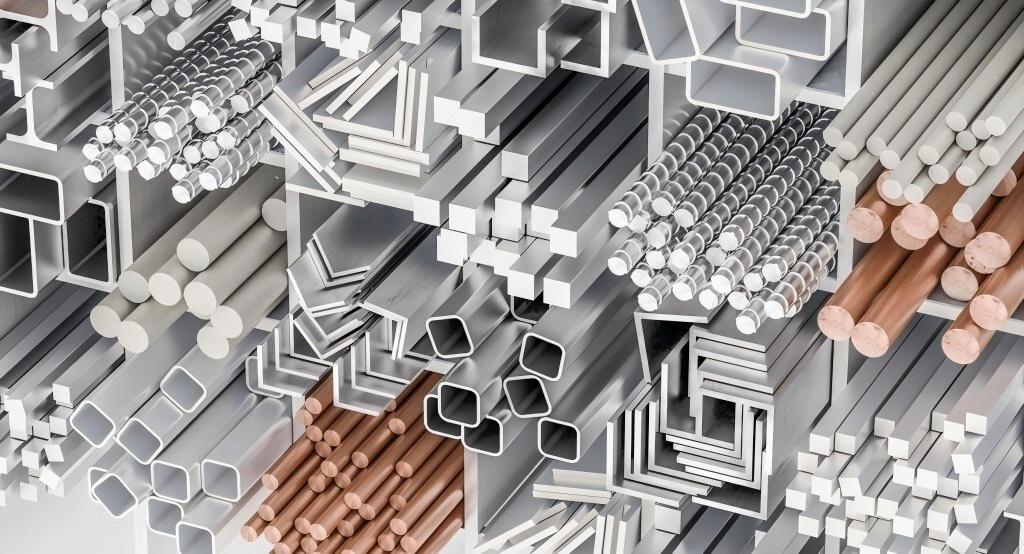
Raw material

Explore a wide range of metal and plastic materials for CNC turning, offering excellent machinability, strength, durability, and precision for various industrial applications.

Standard Tolerance Ranges

The achievable tolerance depends on material, machine condition, tooling, and part geometry. Below are industry-standard ranges for CNC turning:
Tolerance Class Typical Range Description
General Machining±0.005″ – ±0.010″ (±0.13 – 0.25 mm)Suitable for non-critical features, clearance holes, and basic structural parts.
Standard Precision±0.002″ – ±0.005″ (±0.05 – 0.13 mm)Most common for functional components; used in automotive, industrial machinery, and consumer goods.
High Precision±0.0005″ – ±0.002″ (±0.013 – 0.05 mm)Required for bearing seats, precision shafts, and hydraulic components.
Ultra-Precision±0.0002″ (±0.005 mm) or tighterUsed in aerospace, medical devices, and optical instrumentation. Often requires specialized machines and environmental control.

Factors Affecting Turning Tolerances

Multiple factors can influence the achievable tolerances in CNC turning. Proper control of these variables helps ensure dimensional accuracy, surface quality, and consistent machining performance.

1. Material Type

Different materials respond differently to cutting forces and heat, affecting final dimensional stability.

2. Part Geometry

Complex shapes or thin-walled structures can reduce machining rigidity and overall tolerance accuracy.

3. Machine Precision

High-end CNC lathes improve repeatability and dimensional consistency significantly.

4. Tool Wear

Worn cutting tools can gradually reduce cutting accuracy and negatively affect surface consistency.

5. Clamping Method

Improper fixturing may cause vibration or slight deformation during machining, reducing precision.

6. Cutting Parameters

Incorrect speed, feed rate, or depth of cut can lead to dimensional deviation and unstable results.

Transforming Ideas into Manufactured Products

With Rapid Turnaround, ISO-Certified Processes, and Expert Engineering
We Help You Bring Innovative Products to Market Faster and More Reliably
0 +
Years Manufacturing Experience
0 +
SETS OF MOLDS
0 +
Countries Global Customers
0 %
On-time Delivery

CNC Turning Project Showcase

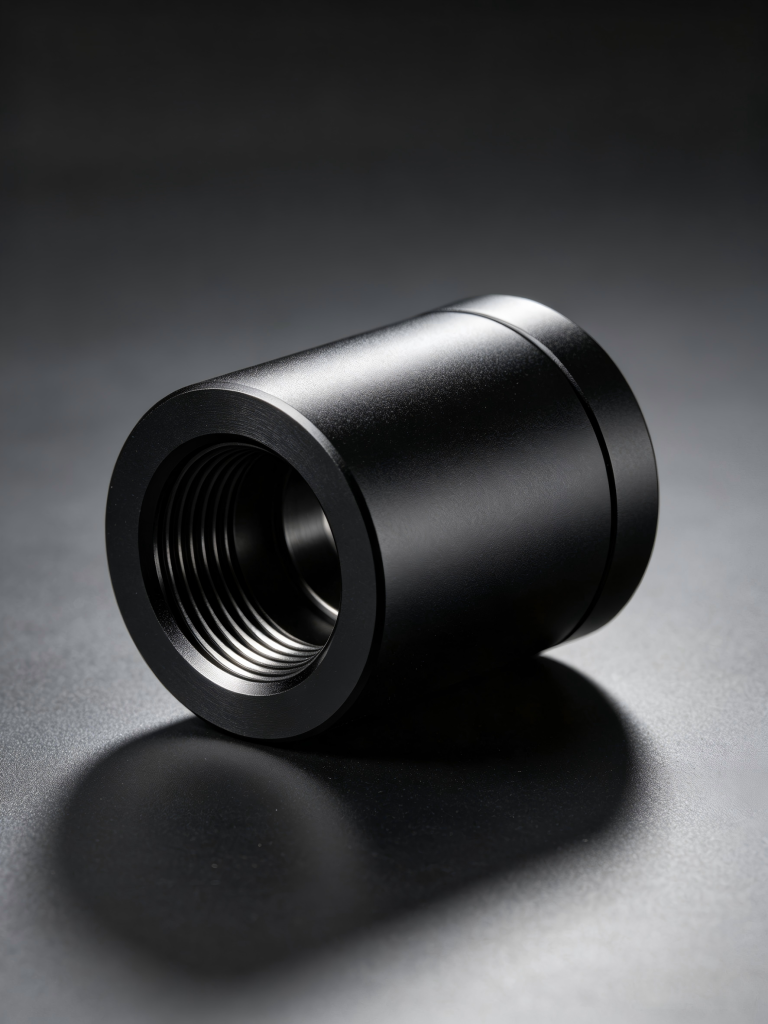
This CNC turning project involved manufacturing high-precision aluminum sensor housings used in industrial automation equipment. The components required excellent dimensional stability, tight concentricity, and a clean anodized surface finish to ensure reliable assembly and long-term performance in demanding operating environments.

Item Details
Industry Industrial Automation
Manufacturing Process CNC Turning + Secondary Milling
Material Aluminum 6061-T6
Surface Finish Black Anodizing
Part Size Ø48 mm × 86 mm
Tolerance Requirement ±0.01 mm
Production Volume 5,000 PCS
Key Features Internal threading, precision bore, concentricity control
Main Challenge Maintaining tight concentricity and smooth surface finish on thin-wall sections
Our Solutions Optimized tool paths, custom soft jaws, and in-process dimensional inspection
Result Stable mass production with consistent accuracy and reduced machining cycle time
Lead Time 10 Working Days
Quality Inspection CMM Inspection + Thread Gauge Verification

Surface Finish Options

Enhance the appearance, durability, corrosion resistance, and functional performance of CNC turned parts with a variety of professional surface finishing solutions.

Anodizing

Improves corrosion resistance while creating a durable decorative surface layer.

Powder Coating

Adds strong protective coating with excellent wear and impact resistance.

Sandblasting

 Creates uniform matte texture for improved appearance and surface consistency.

Polishing
Produces smooth glossy surfaces for cosmetic and precision applications.
 
Electroplating

 Enhances conductivity, corrosion protection, and overall surface durability performance.

Brushing
 Creates fine directional texture with clean professional metallic appearance.
 
Start Your Project Today

Contact our engineering team to turn your design into precision CNC parts.

CNC Turning Applications

CNC turning is widely used to produce high-precision cylindrical components across multiple industries. It delivers reliable accuracy, repeatability, and efficiency for both prototypes and mass production.

Automotive

Produces precision shafts, bushings, and engine components with stable performance and durability.

Robotics

Provides precise motion components and structural parts for advanced robotic systems.

Medical & Healthcare

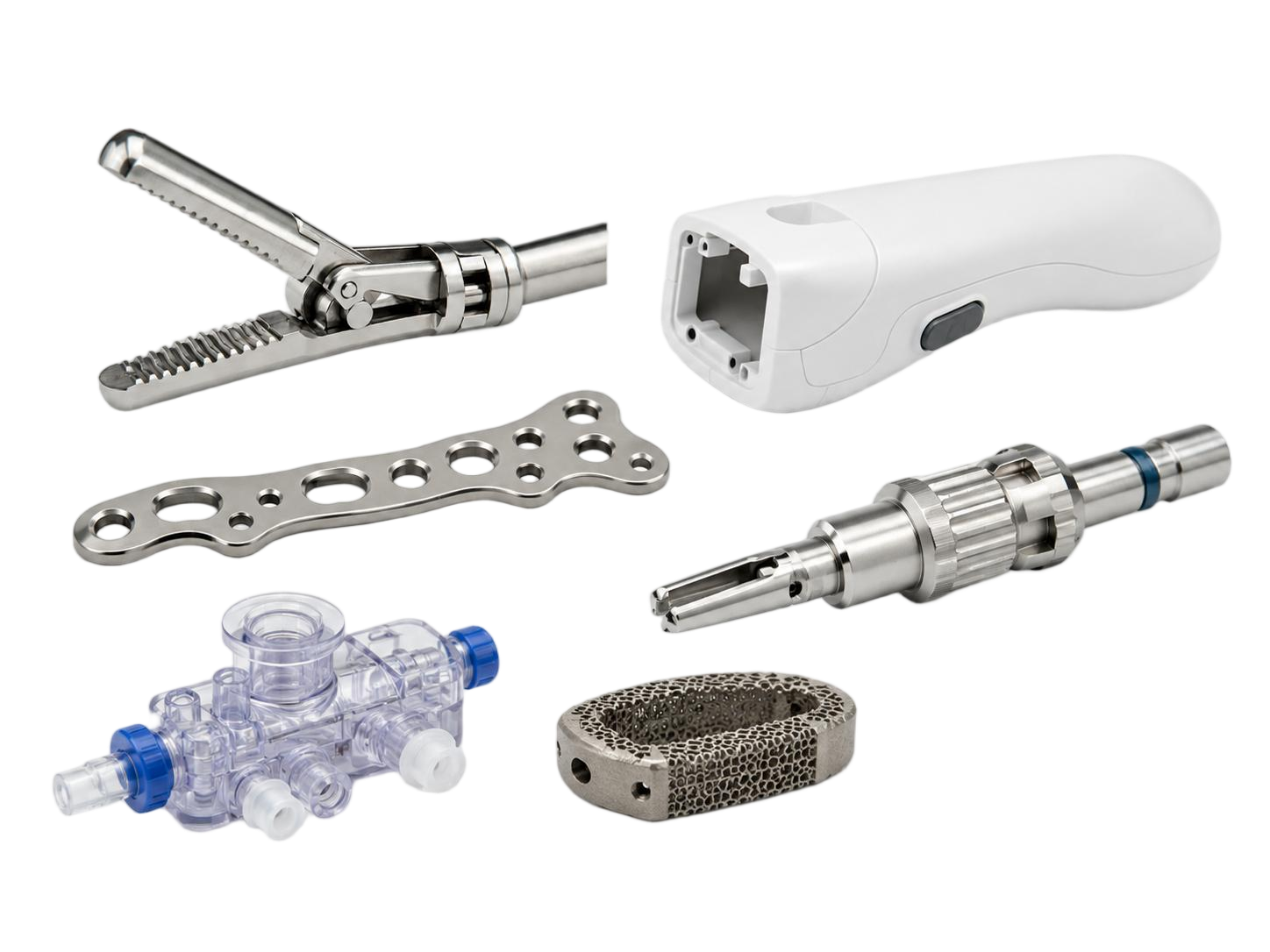
Manufactures surgical tools and connectors with high accuracy and strict quality requirements.

Aerospace & Defense

Delivers lightweight, high-strength parts designed for demanding flight performance conditions.
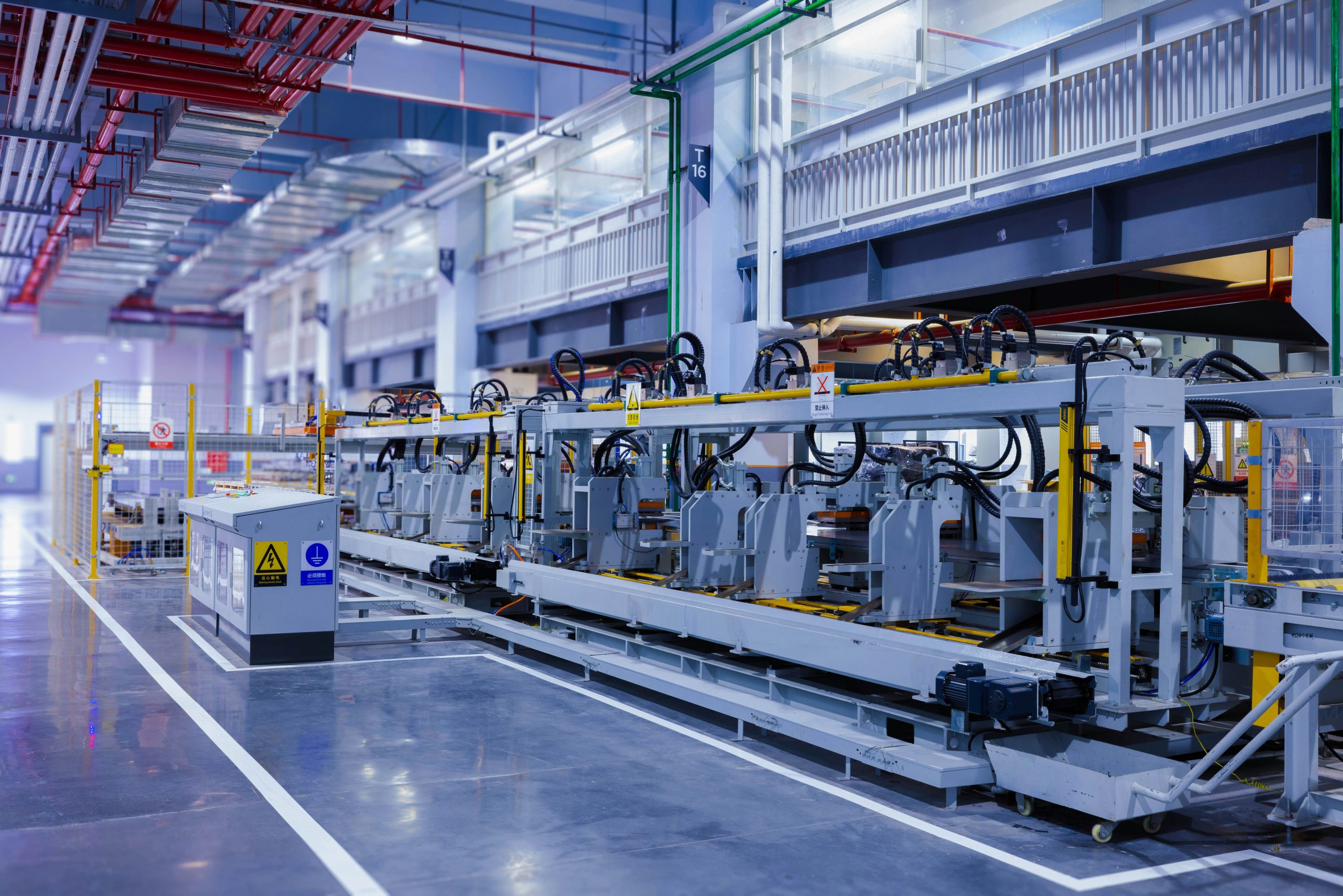
Industrial Machinery

Supplies durable mechanical parts used in machines, tools, and production systems.
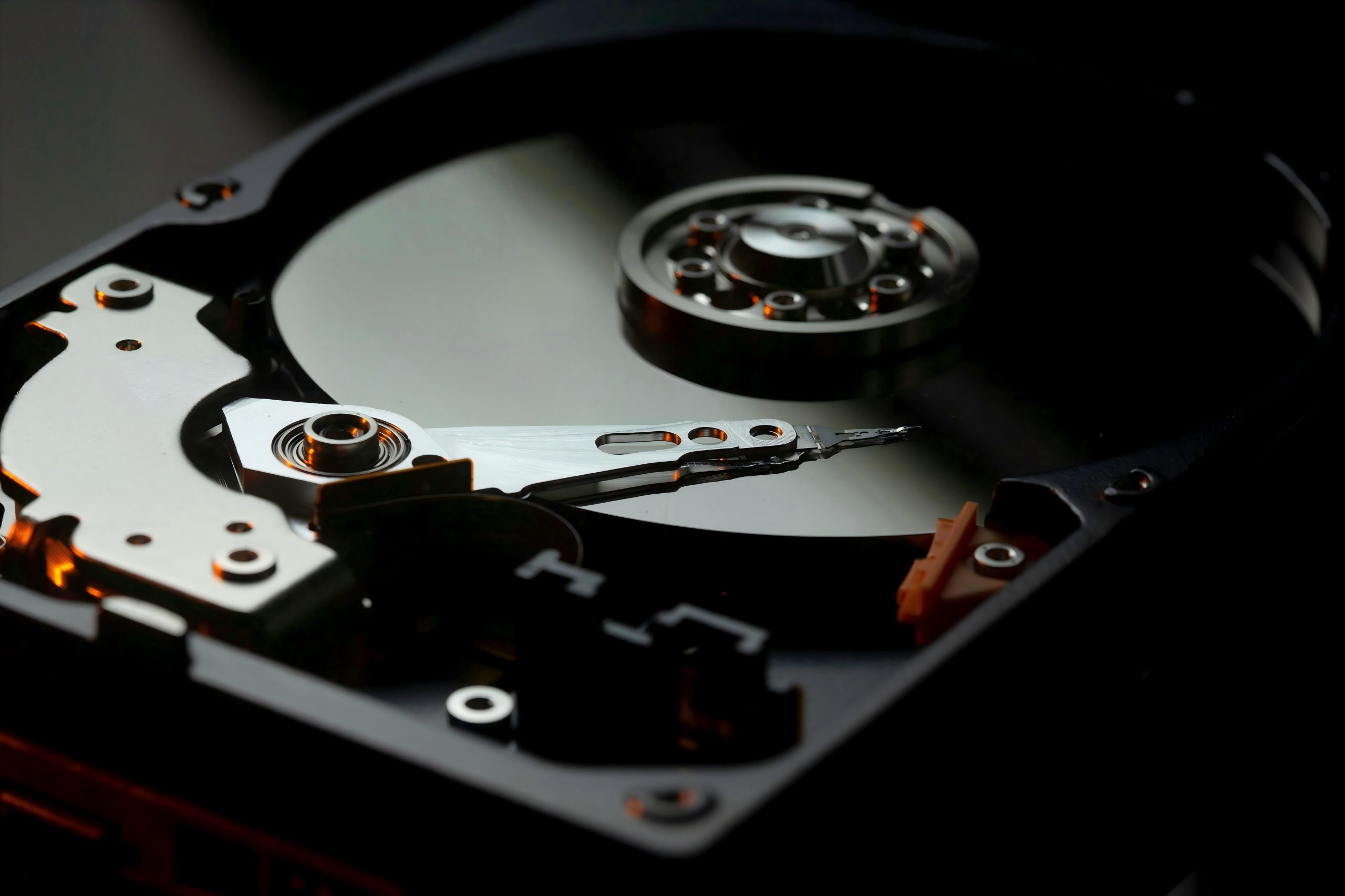
Electronics

Creates connectors, housings, and heat dissipation parts with excellent dimensional consistency.


Most Popular Questions

CNC turning rotates the workpiece while the cutting tool remains relatively stationary, making it ideal for cylindrical parts. CNC milling rotates the cutting tool and is better suited for complex flat or irregular geometries.

Common materials include aluminum, stainless steel, brass, copper, titanium, ABS, nylon, POM, PTFE, and PEEK.

High-precision CNC turning can achieve tolerances as tight as ±0.002 mm depending on geometry and material.

Yes. CNC turning is widely used for rapid prototyping and low-volume production due to its speed and flexibility.

Yes. We offer anodizing, polishing, sandblasting, powder coating, electroplating, and other finishing options.

Industries include automotive, aerospace, medical, electronics, robotics, and industrial manufacturing.

Get instant pricing, project lead times, and DFM feedback.
doc|docx|ppt|pptx|pdf|jpg|png|STEP|STP|STL|ZIP|RAR|IGES|IGS
SLDPRT|3DM|SAT or X_T files
Loading...

Caution: RapidMfg-online is full Chinese company, please don’t send any enquiry items involved export controlled by U.S. law. e.g. EAR, ITAR etc