One-stop precision manufacturing solutions from prototype to mass production
Knowledge, tips, and support — helping you make smarter manufacturing decisions at every stage.
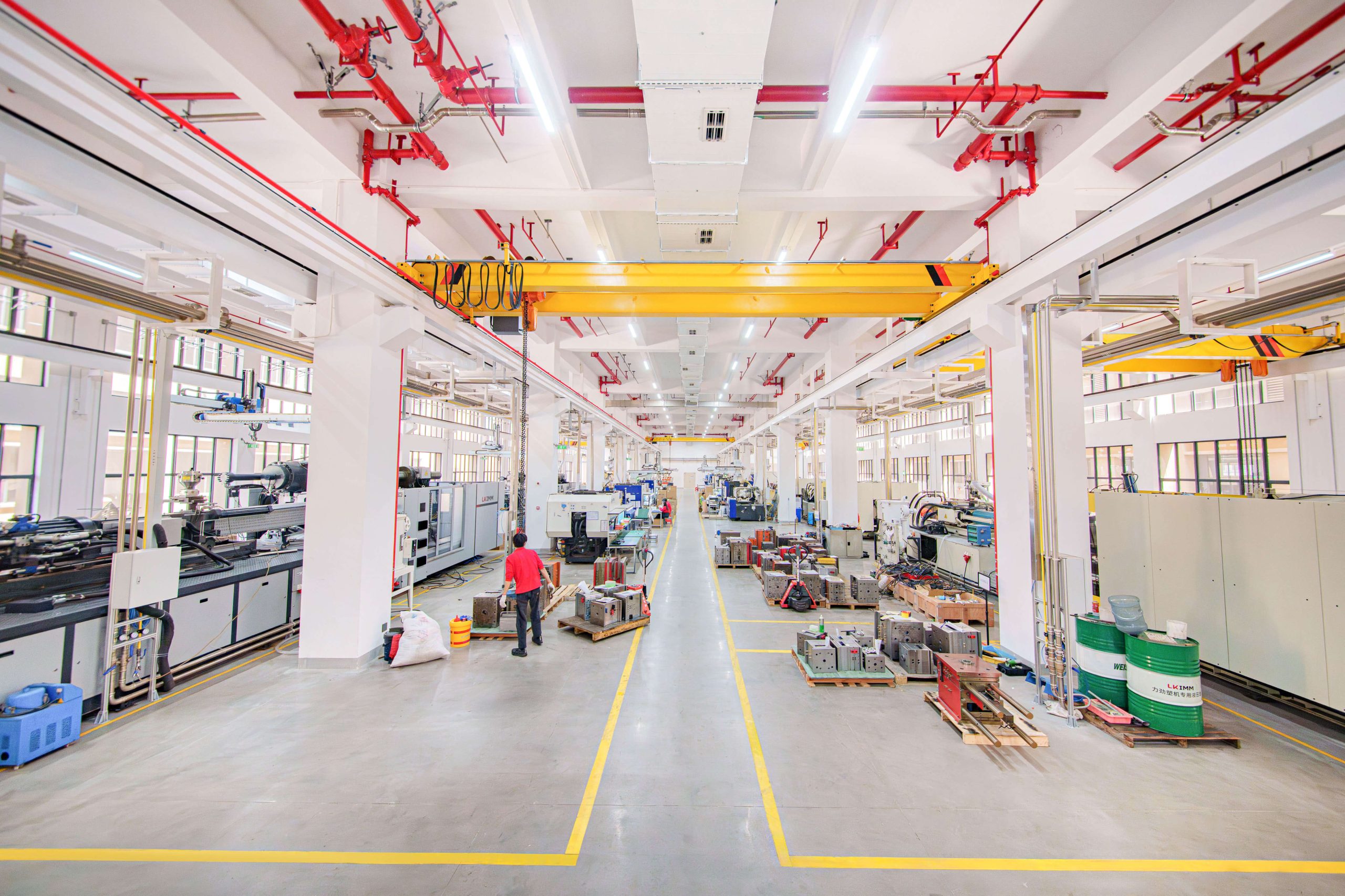
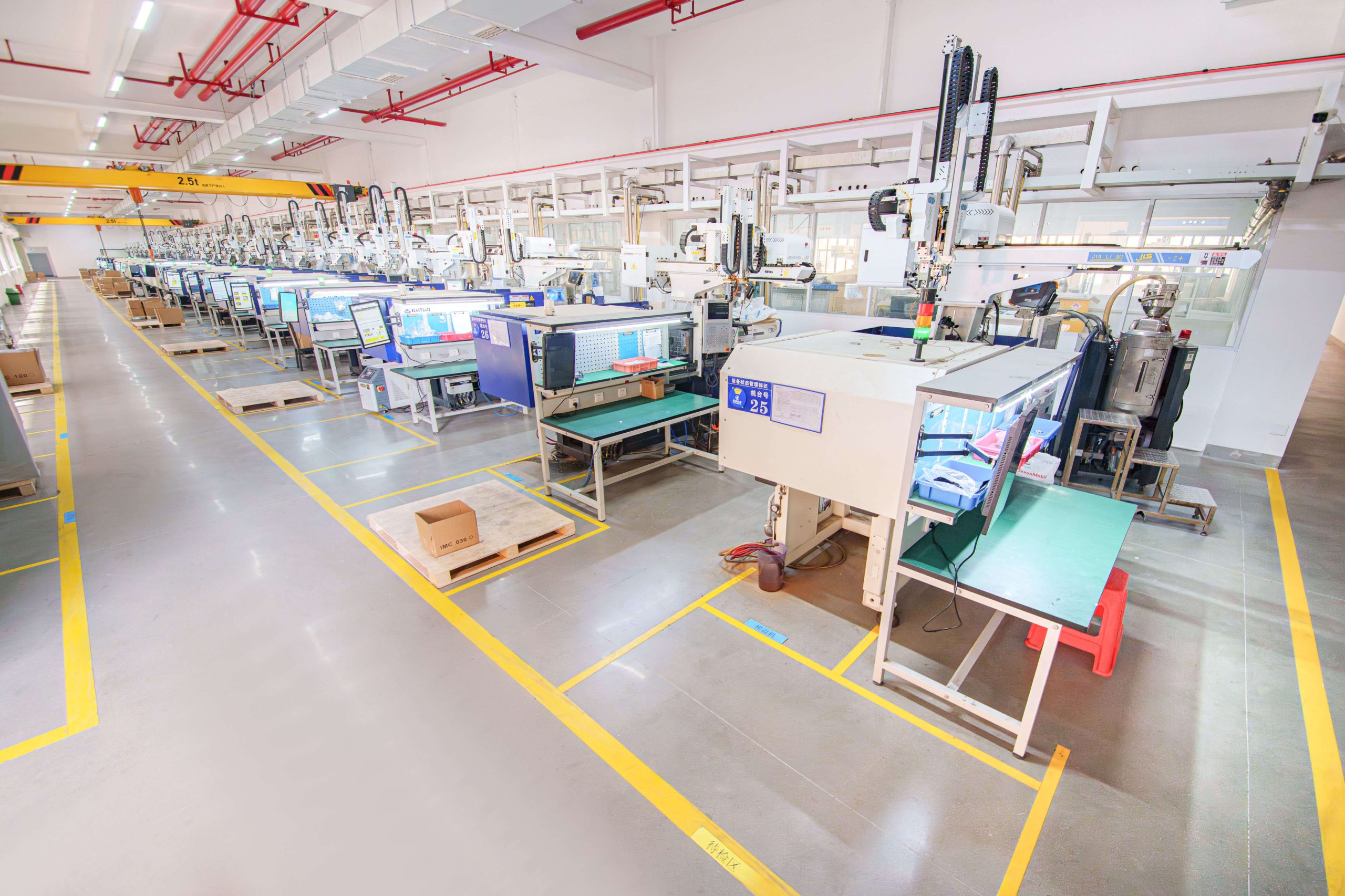
Tailored on-demand manufacturing solutions for diverse industries



Combine metal inserts with engineering plastics to create strong, precise, and cost-effective parts for automotive, electronics, medical, and industrial applications.
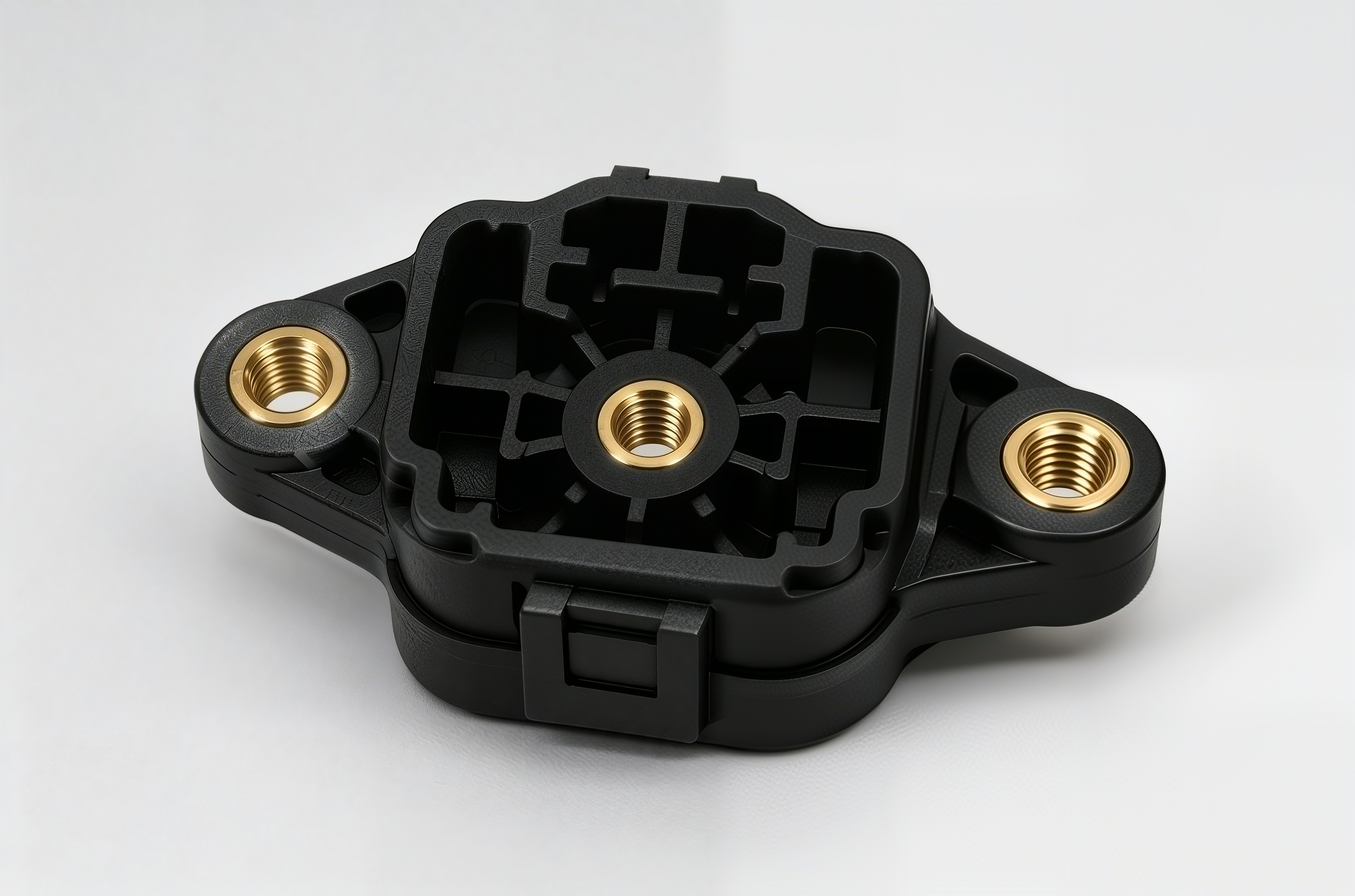
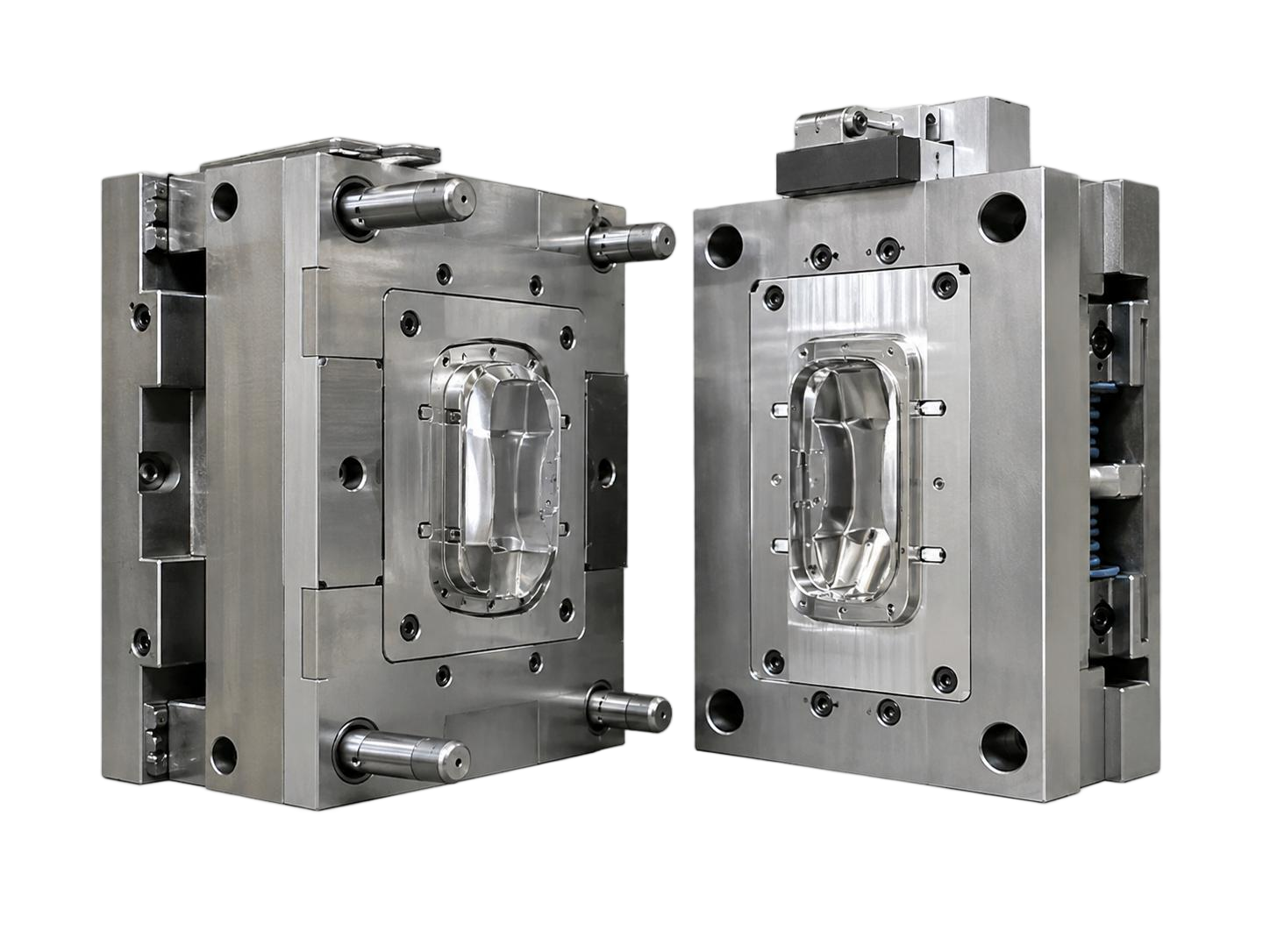
Insert molding is a specialized injection molding process in which a pre‑formed metal, ceramic or plastic insert is placed into the mold cavity before molten thermoplastic is injected around it. Once cooled and solidified, the insert becomes permanently encapsulated within the plastic, forming a single, unified component that combines the best properties of both materials.
Unlike conventional injection molding where only plastic is present, insert molding allows you to build threaded connections, electrical terminals, conductive pathways, or reinforced structural features directly into the molded part — eliminating secondary assembly and reducing overall manufacturing cost
Lorem ipsum dolor sit amet, consectetur adipiscing elit. Ut elit tellus, luctus nec ullamcorper mattis, pulvinar dapibus leo.
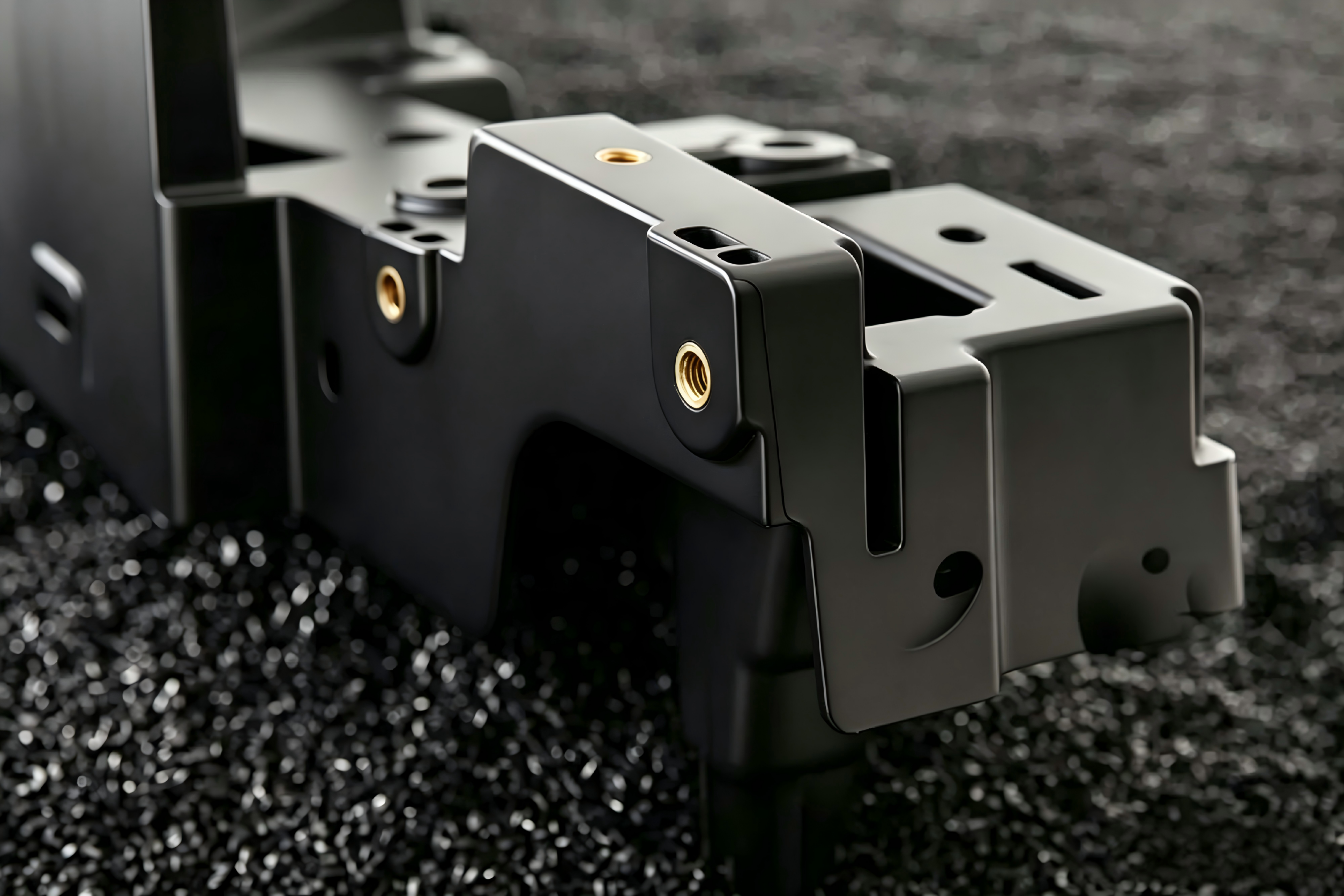
Insert molding combines plastic resins with metal or other rigid inserts, making material selection critical for bonding strength, durability, and final part performance. Below are the most commonly used materials in insert molding applications:
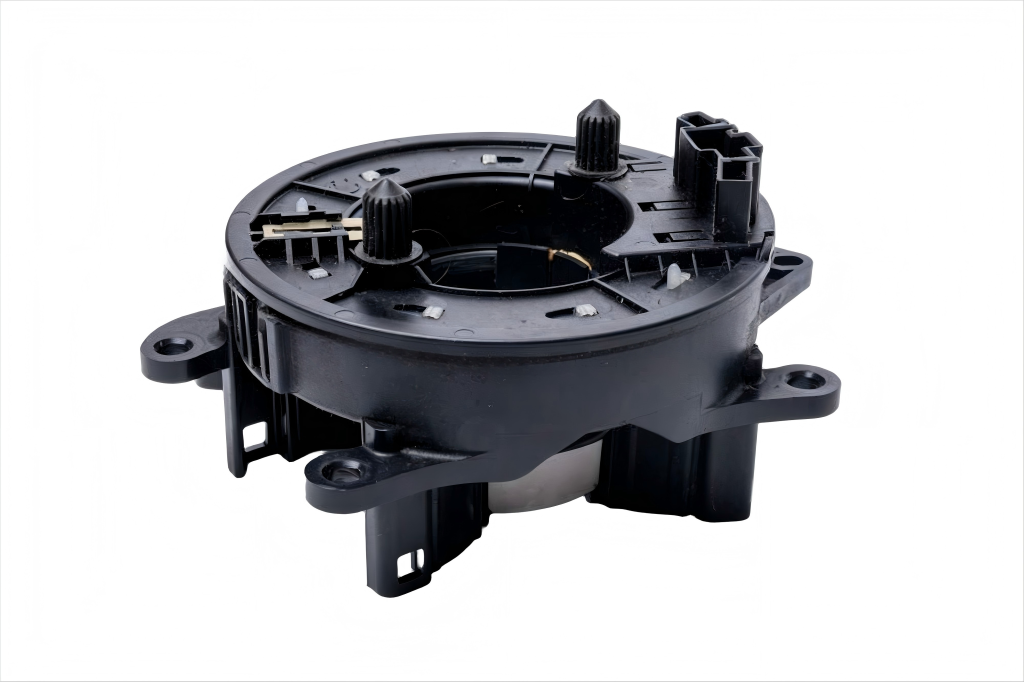
ABS :A cost-effective and versatile material with good impact resistance and dimensional stability. Widely used for electronic housings, consumer products, and structural components.
PC :Known for excellent strength and transparency. Ideal for high-impact applications such as medical housings, protective covers, and industrial enclosures.
PA :Offers high mechanical strength, wear resistance, and good chemical resistance. Commonly used in automotive and mechanical parts with metal inserts.
PBT :Provides excellent electrical insulation and dimensional stability, making it ideal for connectors, sensors, and electrical components.
PP :Lightweight and chemically resistant, suitable for cost-sensitive applications and parts requiring flexibility.
Stainless Steel
High strength and corrosion resistance, commonly used in medical, automotive, and industrial applications requiring durability.
Brass
Excellent machinability and good conductivity, widely used in electrical connectors and threaded inserts.
Aluminum
Lightweight with good corrosion resistance, suitable for aerospace, automotive, and lightweight structural applications.
Copper & Copper Alloys
Used for excellent electrical and thermal conductivity, especially in electronic and power components.
Which Process Is Right for Your Product?
Choosing between insert molding and overmolding depends on your product structure, functional requirements, and performance goals. Both processes integrate multiple materials into a single part, but they serve different engineering purposes.
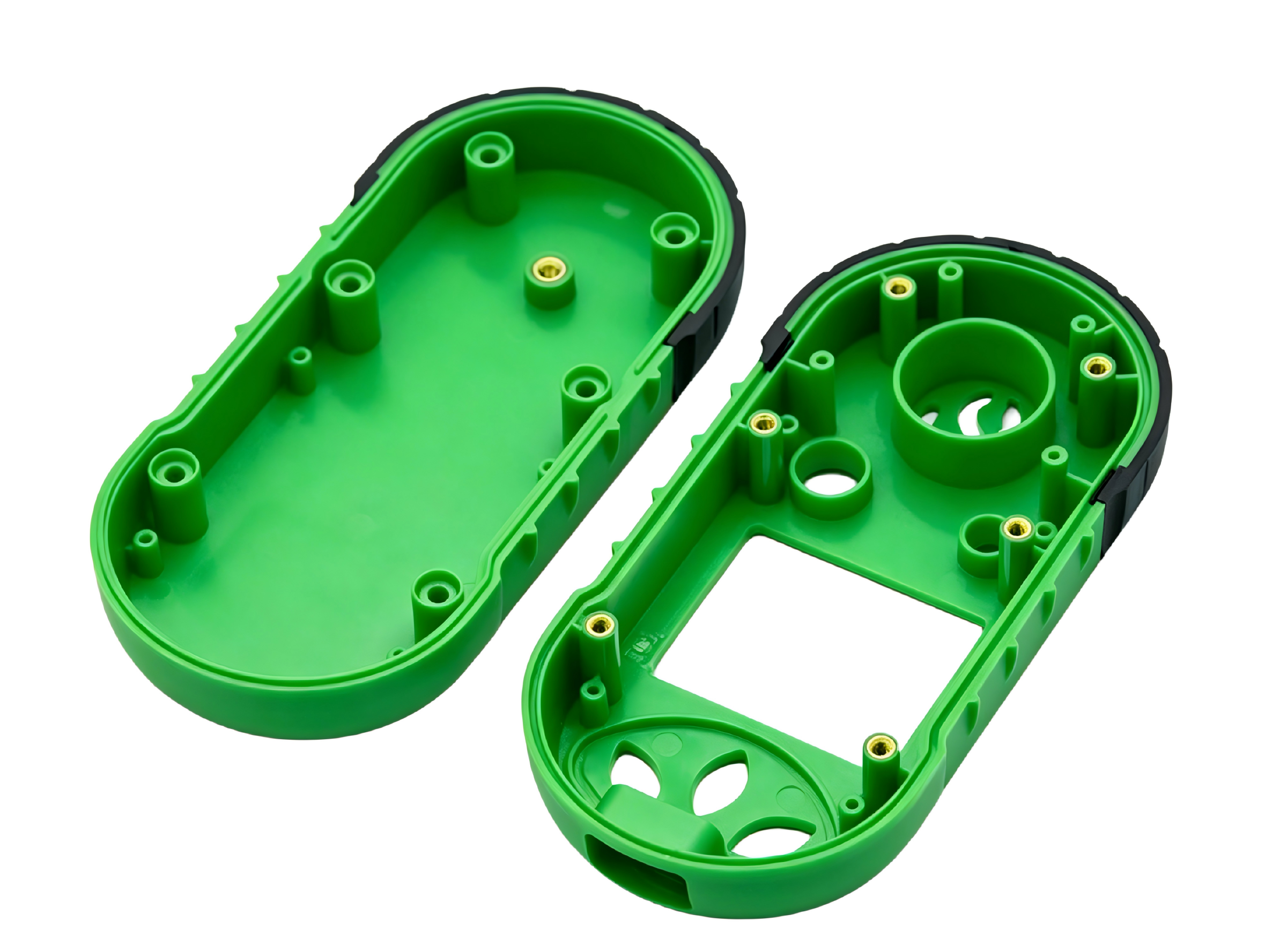
Insert molding involves placing a metal or pre-formed component into a mold, then injecting plastic around it to create a single integrated part. It is ideal for adding strength, threads, or electrical functionality to a component.
Best for:
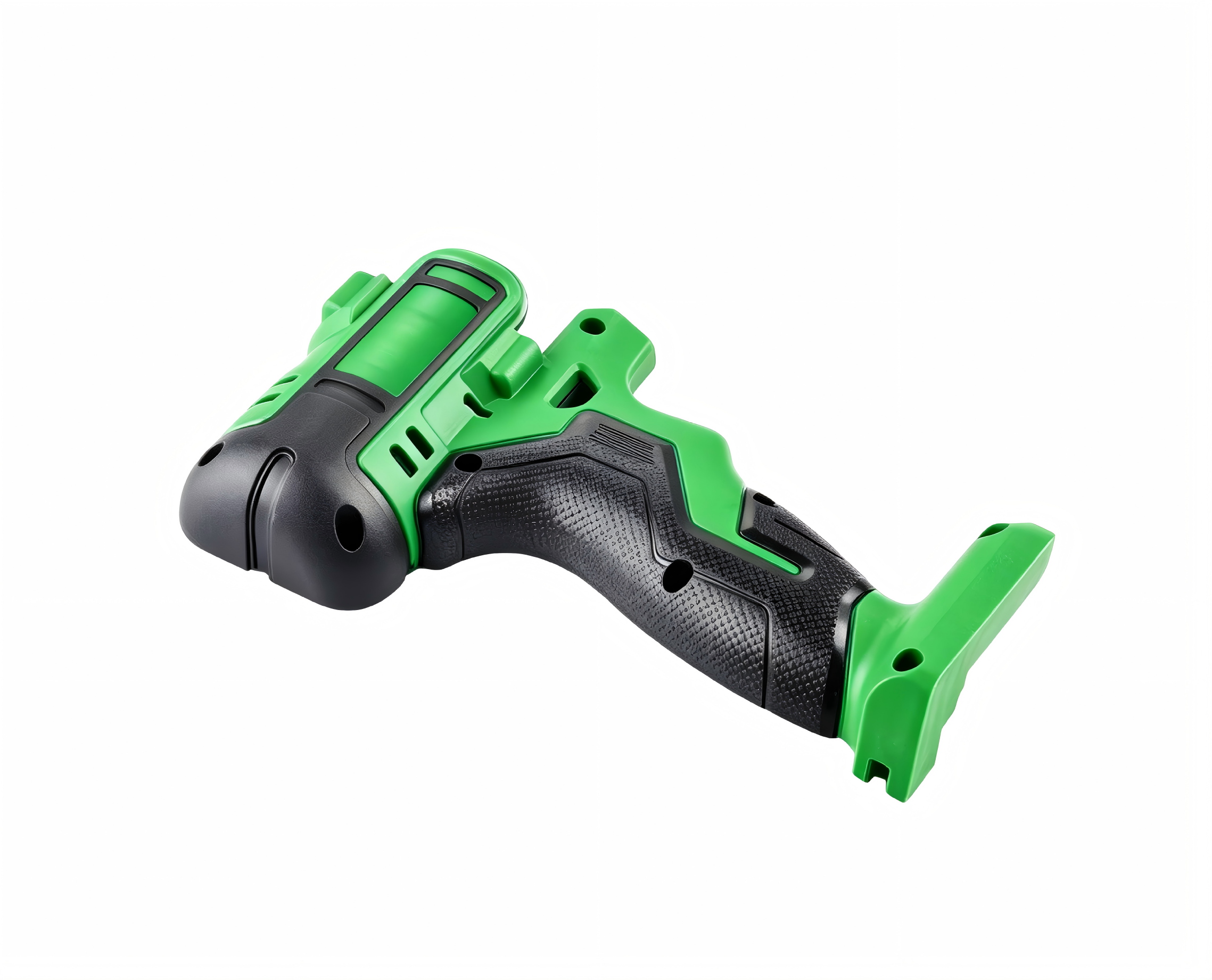
Overmolding is a two-step process where a second material (usually a soft elastomer or plastic) is molded over an existing rigid base part. It is commonly used to improve grip, sealing, or aesthetics.
Best for:
| Factor | Insert Molding | Overmolding |
|---|---|---|
| Core Purpose | Structural reinforcement & integration | Comfort, sealing & surface enhancement |
| Base Component | Metal or rigid insert | Pre-molded plastic part |
| Material Type | Metal + plastic | Plastic + plastic / elastomer |
| Typical Use | Functional & mechanical strength | Ergonomics & user experience |
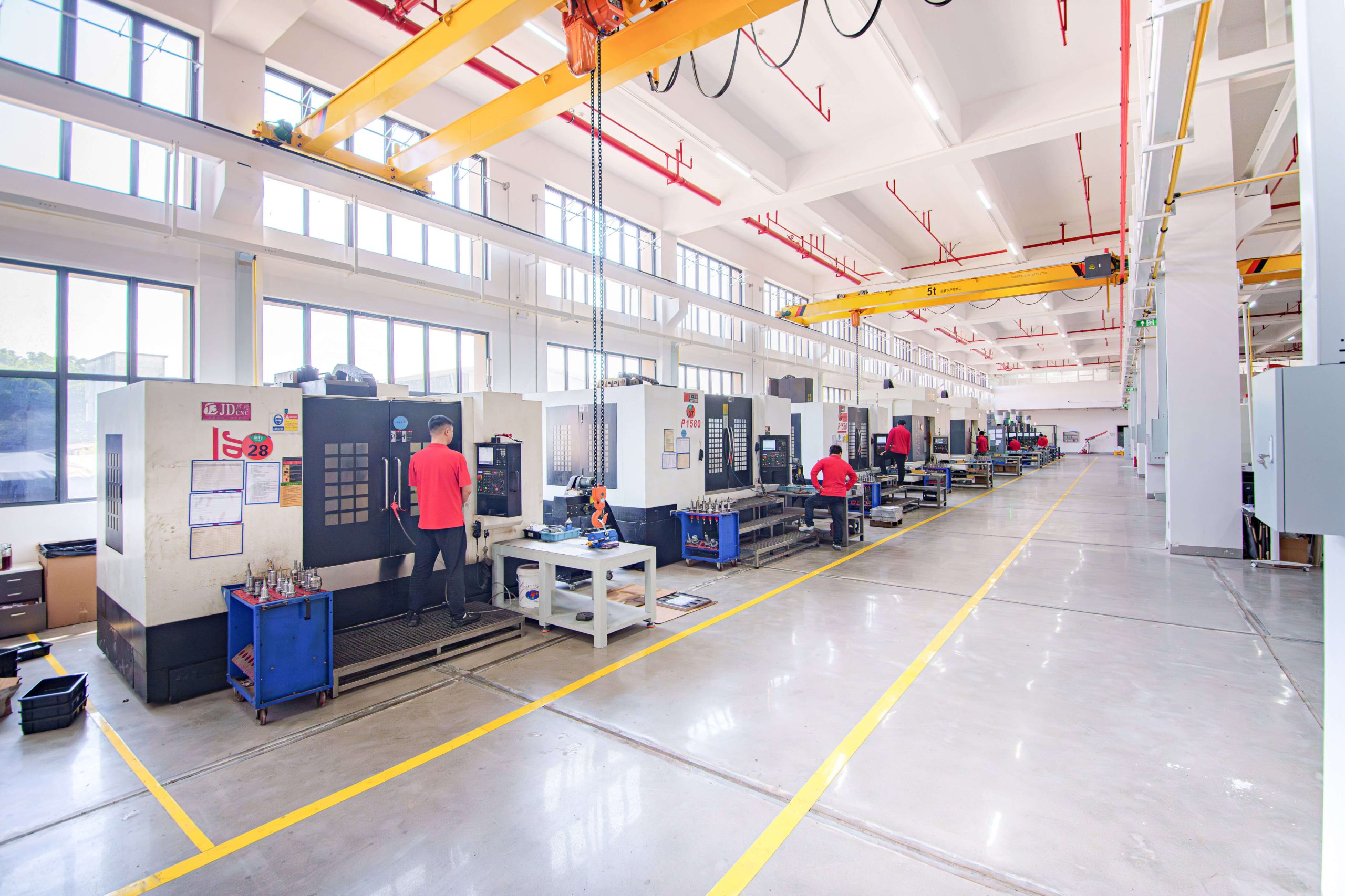
At RAPIDMFG-ONLINE, we provide reliable plastic injection molding solutions for global customers, combining advanced manufacturing capabilities with professional engineering support. From rapid tooling to full-scale production, we help companies bring products to market faster with consistent quality and dependable delivery.
Rapid production to meet tight deadlines and accelerate your project.
ISO 9001 & IATF 16949 certified processes ensuring high-quality output.
Skilled engineers and operators with decades of manufacturing experience.
Reliable scheduling to ensure your orders are delivered as promised.
Tailor-made services to meet your specific project requirements.
Capable of low-volume, prototyping, and large-scale production efficiently.
Insert molding combines metal inserts and plastic materials into a single durable component, reducing assembly steps while improving strength, reliability, and production efficiency for complex industrial applications.
Combine metal inserts and plastic components into one durable, high-strength part.
Minimize secondary operations such as fastening, welding, and adhesive bonding.
Ensure secure bonding between inserts and plastic materials for long-term performance.
Ideal for electronic components requiring stable conductivity and insulation.
Reduce product weight while maintaining excellent mechanical strength.
Support complex geometries and integrated functional components in a single process.
| Item | Description |
|---|---|
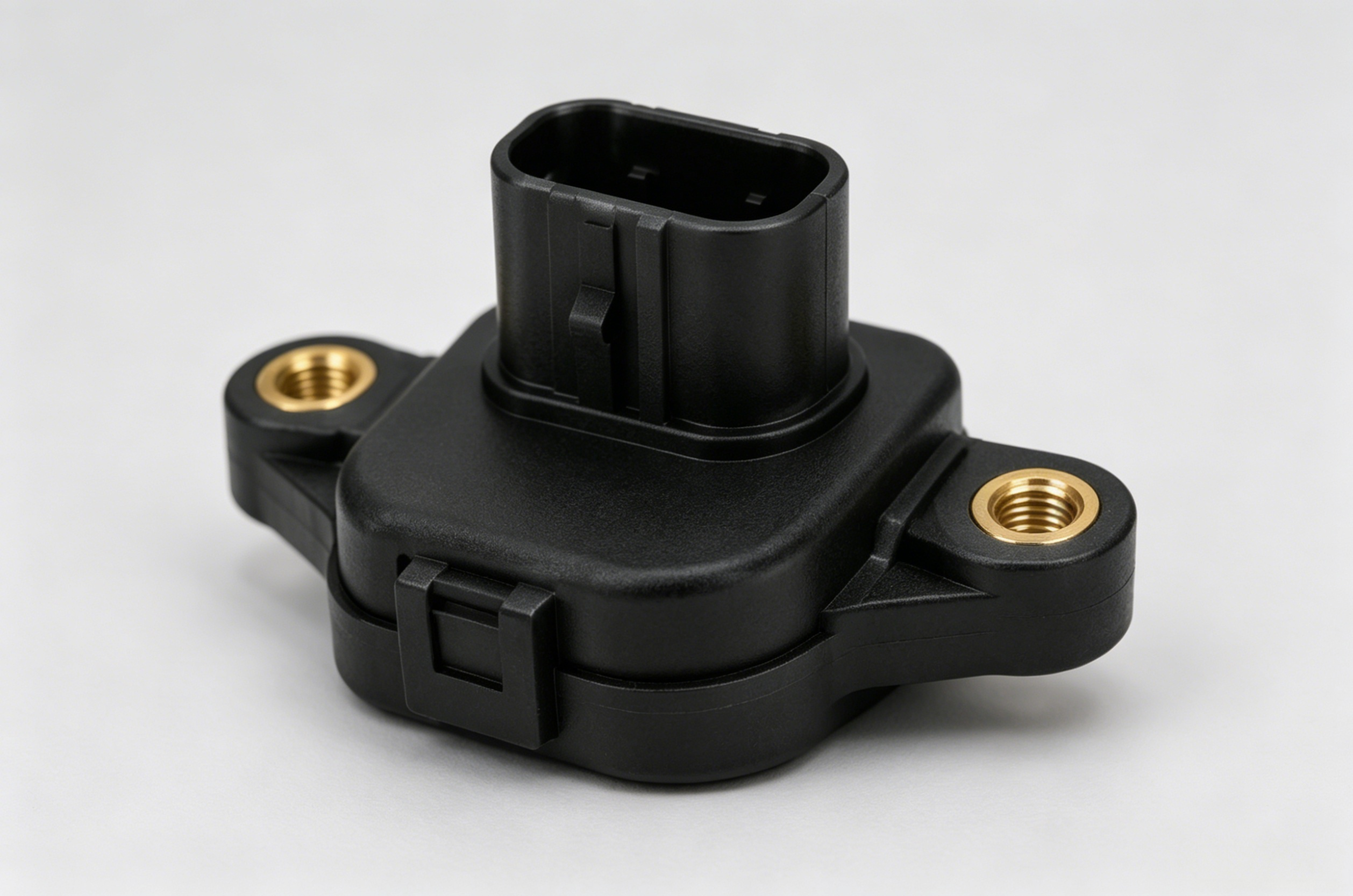
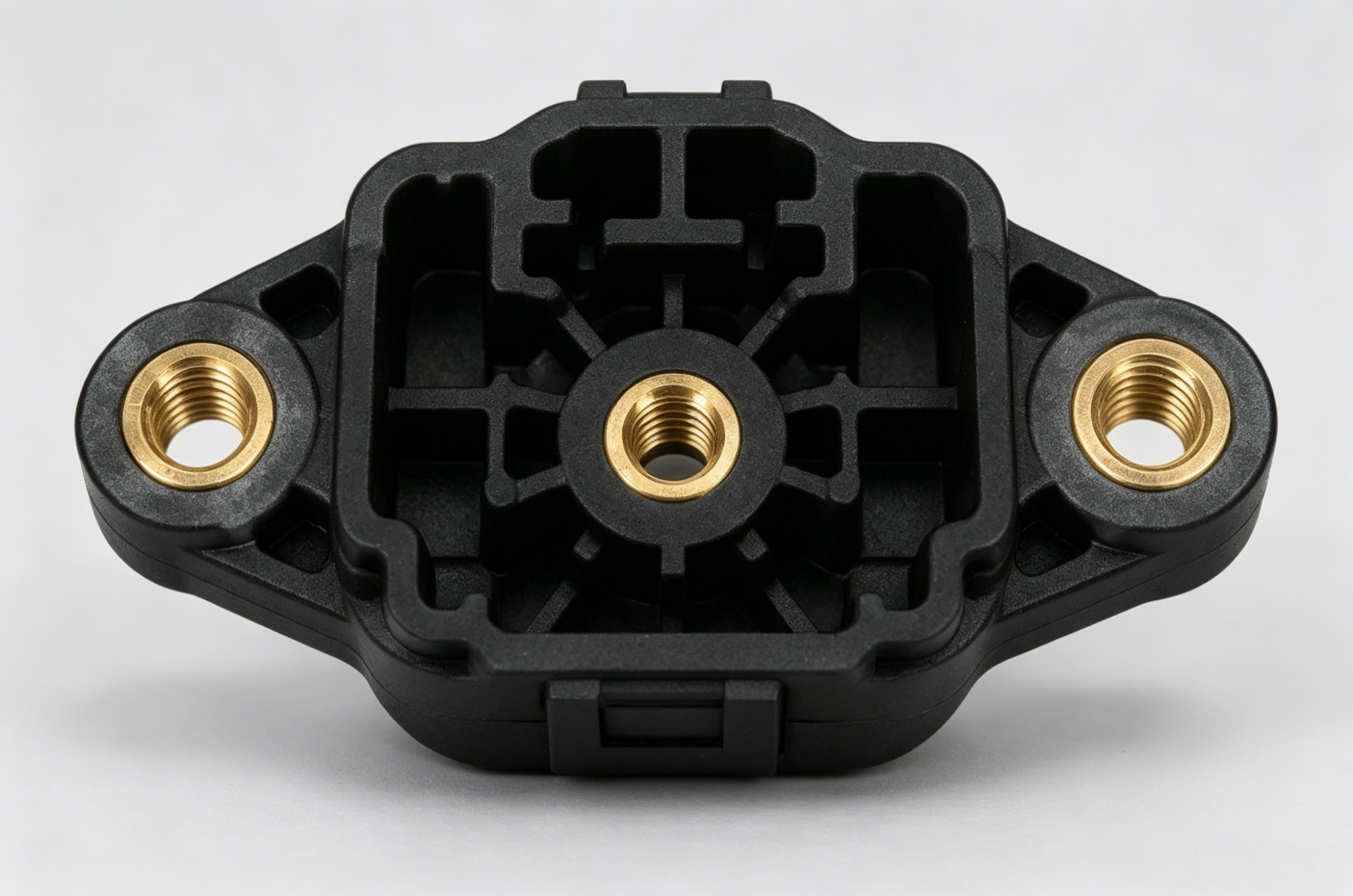
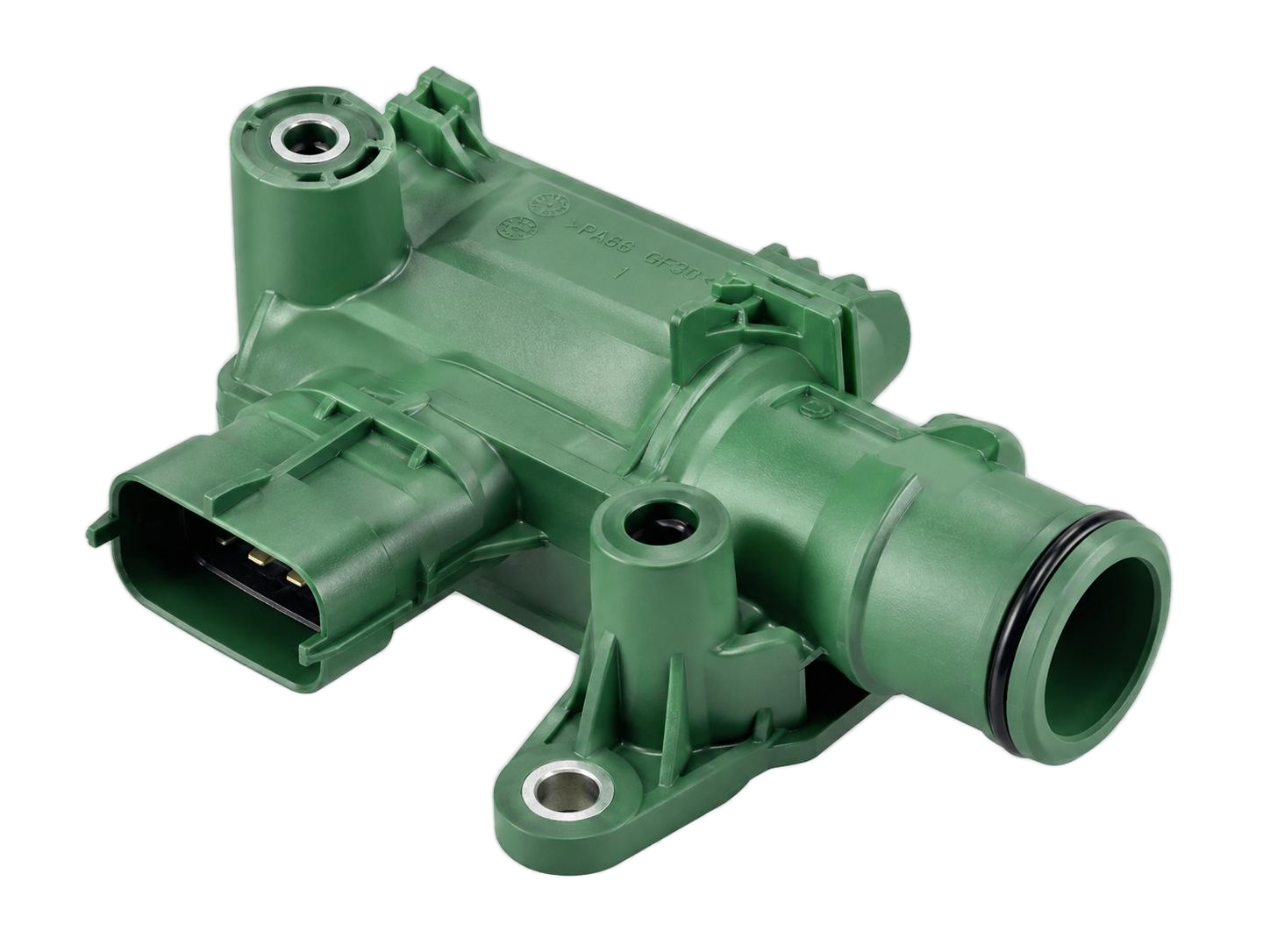
| Product | Automotive Sensor Housing |
| Industry | Automotive Electronics |
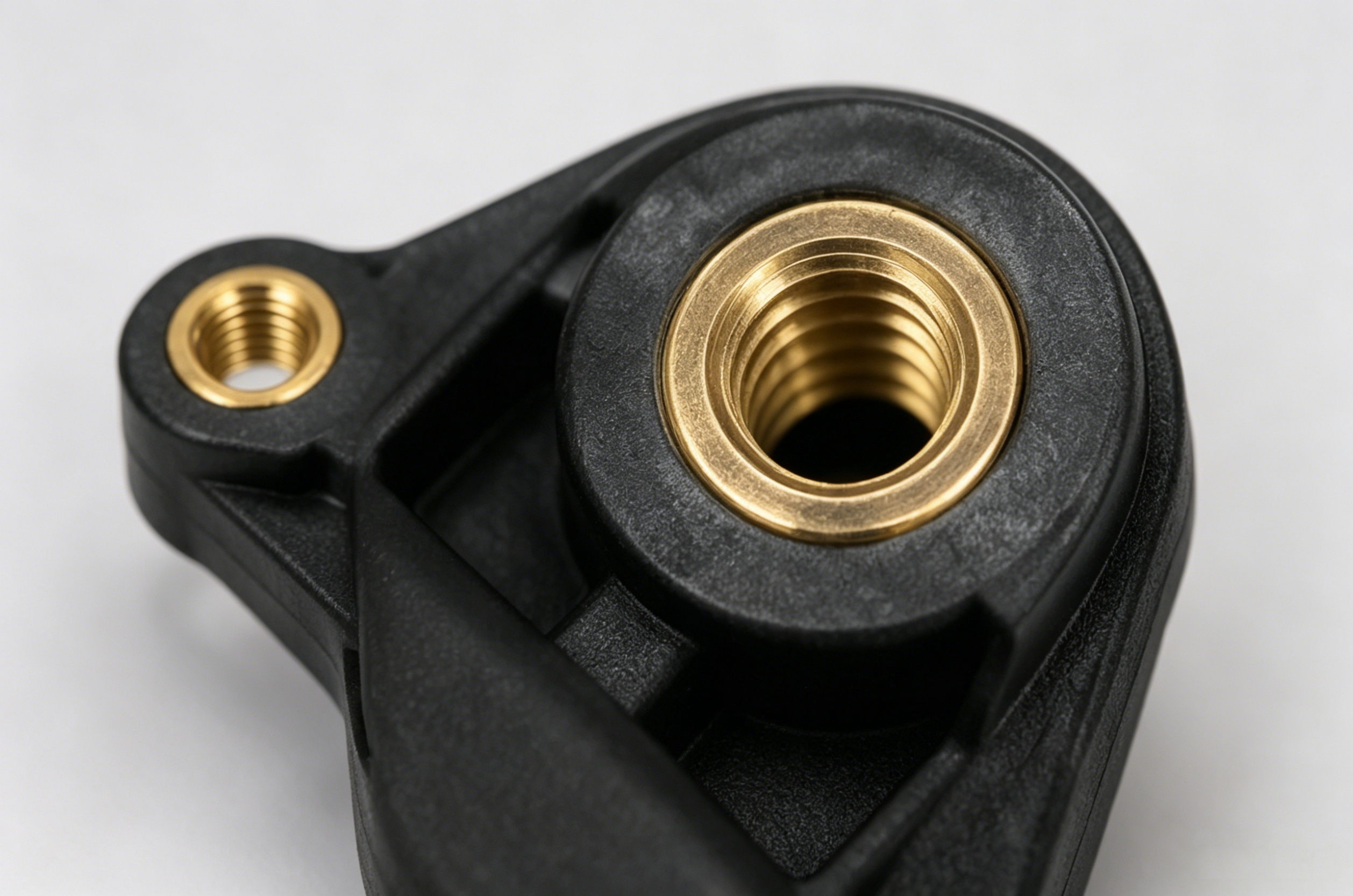
| Insert Material | Brass threaded inserts |
| Overmold Material | PA66 (Glass-Filled Nylon) |
| Process | Insert Molding |
| Challenge | Traditional assembly required separate metal nut installation, causing loose fit, long assembly time, and vibration risk |
| Solution | Metal threaded inserts were placed into the mold and overmolded with reinforced nylon in one step |
| Result | Improved structural strength, eliminated secondary assembly, reduced production cost by ~25%, and increased vibration resistance and reliability |
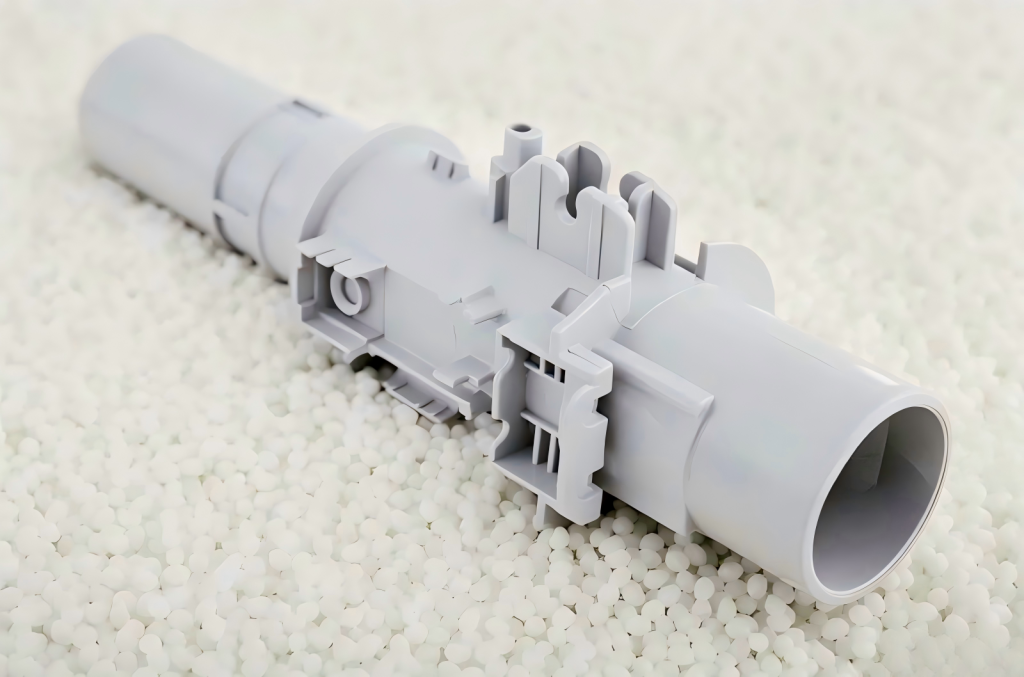
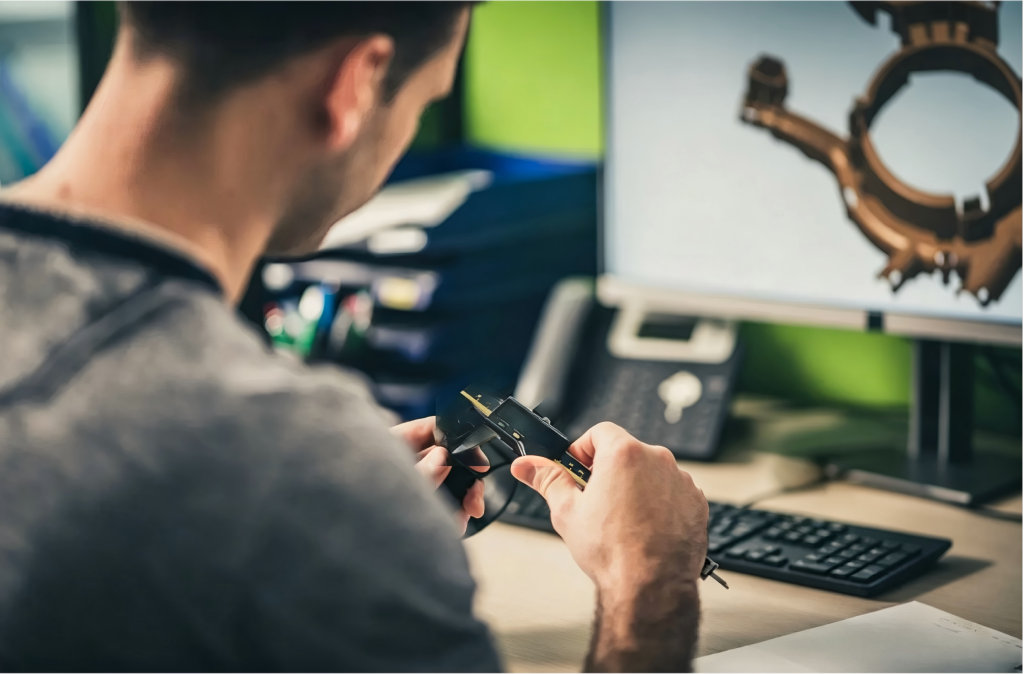
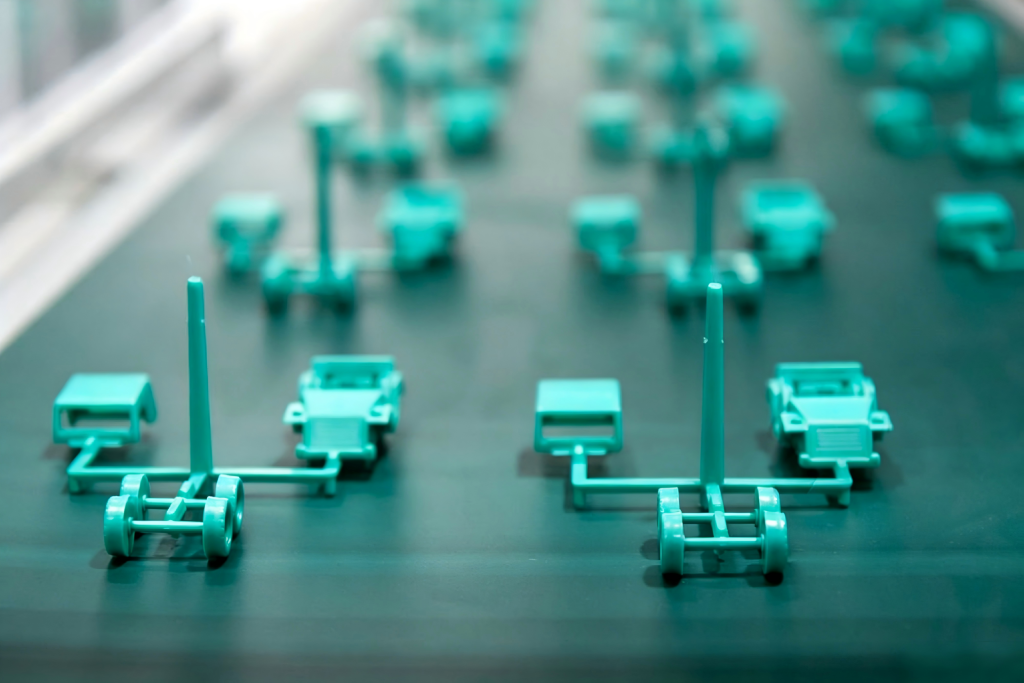
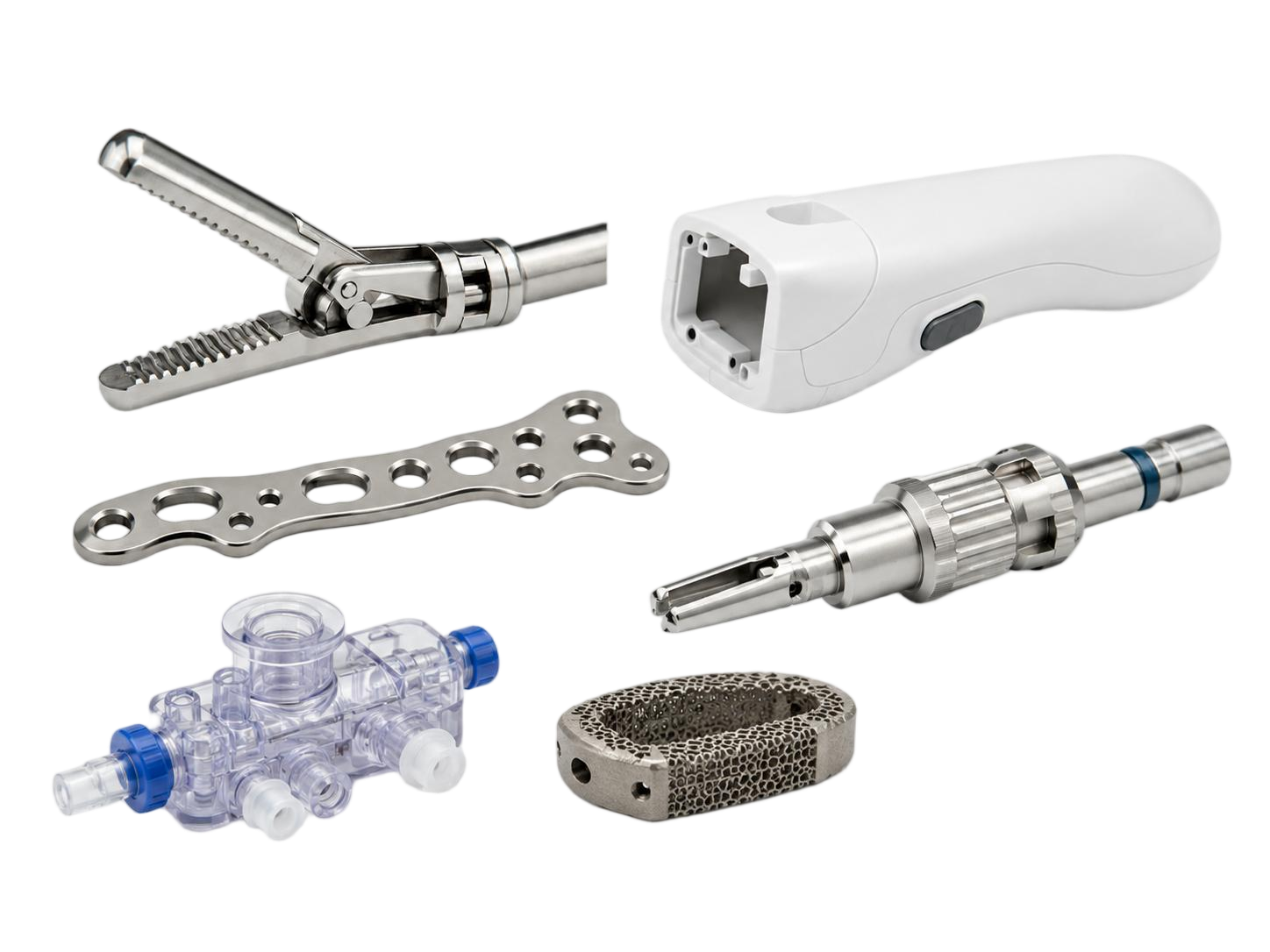
Insert molding is widely used in industries that require strong, durable, and compact components. It helps combine metal and plastic parts into a single integrated structure, improving strength and reducing assembly steps.
Find answers to our most common questions here.
Insert molding embeds a component inside plastic during molding, while overmolding adds an additional material layer over an existing part.
Common inserts include brass, stainless steel, aluminum, threaded inserts, pins, and electrical contacts.
ABS, Nylon, PC, TPU, PBT, and high-performance engineering plastics are widely used.
Yes. Insert molding is highly efficient for both medium and high-volume production.
Yes. RAPIDMFG provides custom tooling, material selection, prototyping, and production support for insert molding projects.
Caution: RapidMfg-online is full Chinese company, please don’t send any enquiry items involved export controlled by U.S. law. e.g. EAR, ITAR etc