One-stop precision manufacturing solutions from prototype to mass production
Knowledge, tips, and support — helping you make smarter manufacturing decisions at every stage.
Tailored on-demand manufacturing solutions for diverse industries



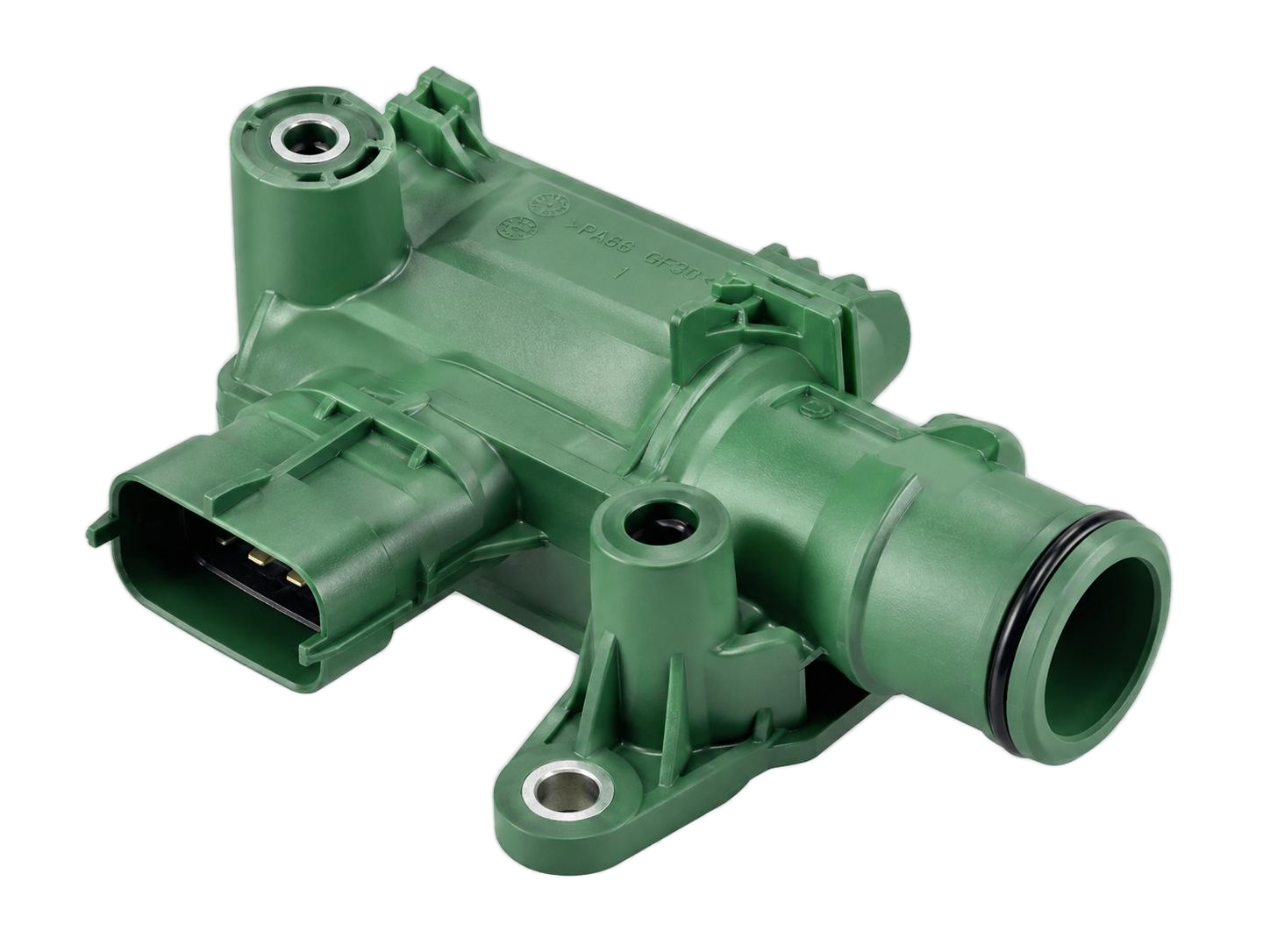
Combine rigid substrates with soft-touch materials to create stronger, safer, and more functional products. We provides precision overmolding solutions for prototypes, low-volume production, and mass manufacturing across automotive, medical, electronics, and consumer industries.
Overmolding is an advanced injection molding process where a second material is molded over a previously formed part (called the substrate) to create a single, integrated component. The two materials bond together—mechanically or chemically—resulting in improved functionality, durability, and product performance.
Typically, a rigid plastic base is first produced, followed by the overmolding of a softer material such as TPE, TPU, or silicone. This combination allows manufacturers to integrate multiple functions into one part, such as grip, sealing, shock absorption, or insulation.
At RAPIDMFG-ONLINE, we provide precision overmolding solutions tailored to complex geometries, tight tolerances, and high-performance applications—helping you turn multi-part assemblies into efficient, production-ready single components.
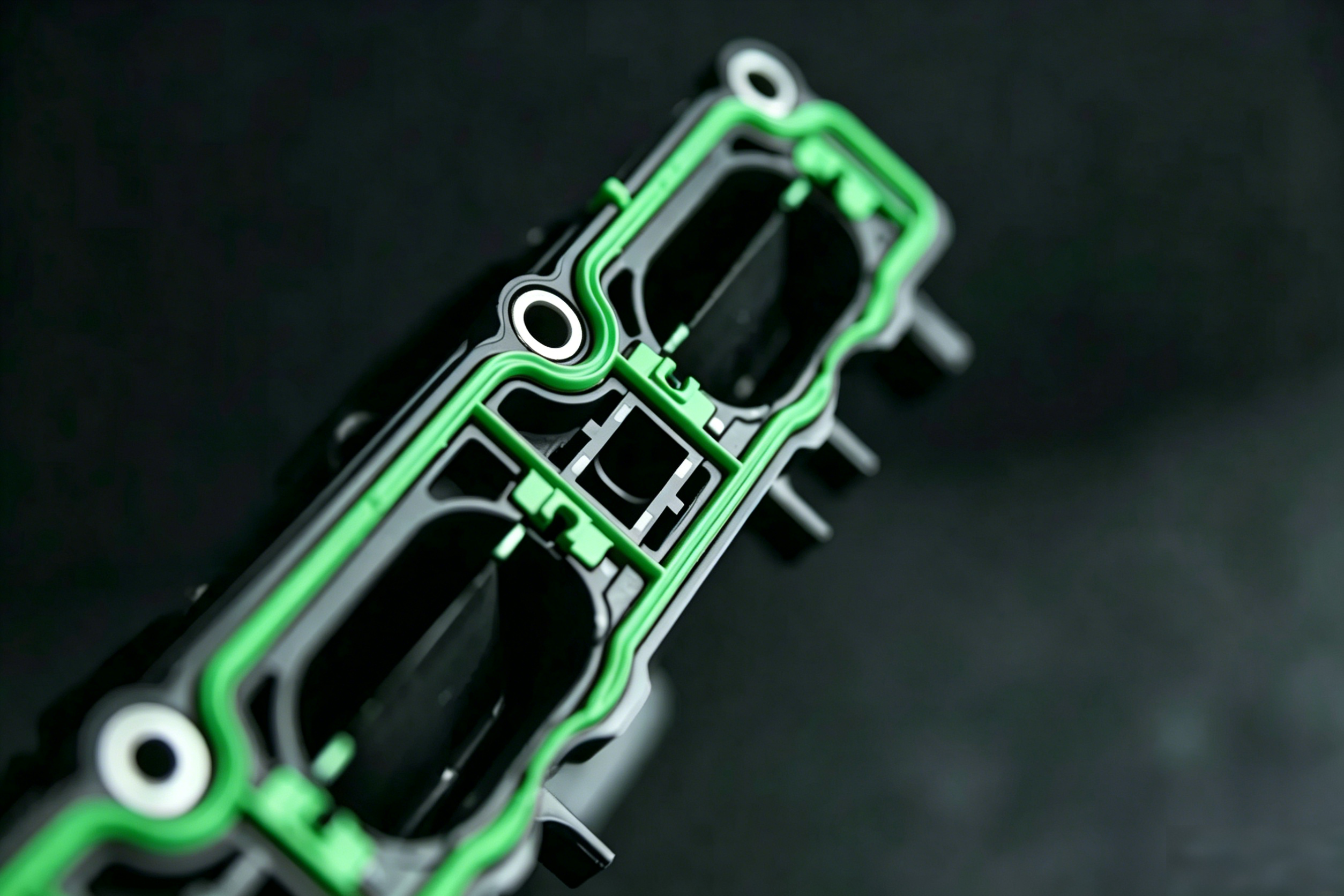
Overmolding uses a rigid base material such as ABS, PC, PA, PP, or metal, combined with soft materials like TPE or TPU. This combination improves strength, grip, sealing, and overall product performance through proper material compatibility.
| Base Material | Overmold Material | Application |
|---|---|---|
| ABS / PC | TPE / TPU | Consumer electronics housing |
| Nylon (PA) | TPU | Power tools, automotive parts |
| Metal (Aluminum, Steel) | Plastic / Rubber | Structural + protective components |
| PP / PE | TPE | Low-cost consumer products |
Material selection depends on bonding compatibility, hardness requirements, temperature resistance, and final application environment.
Rapid production to meet tight deadlines and accelerate your project.
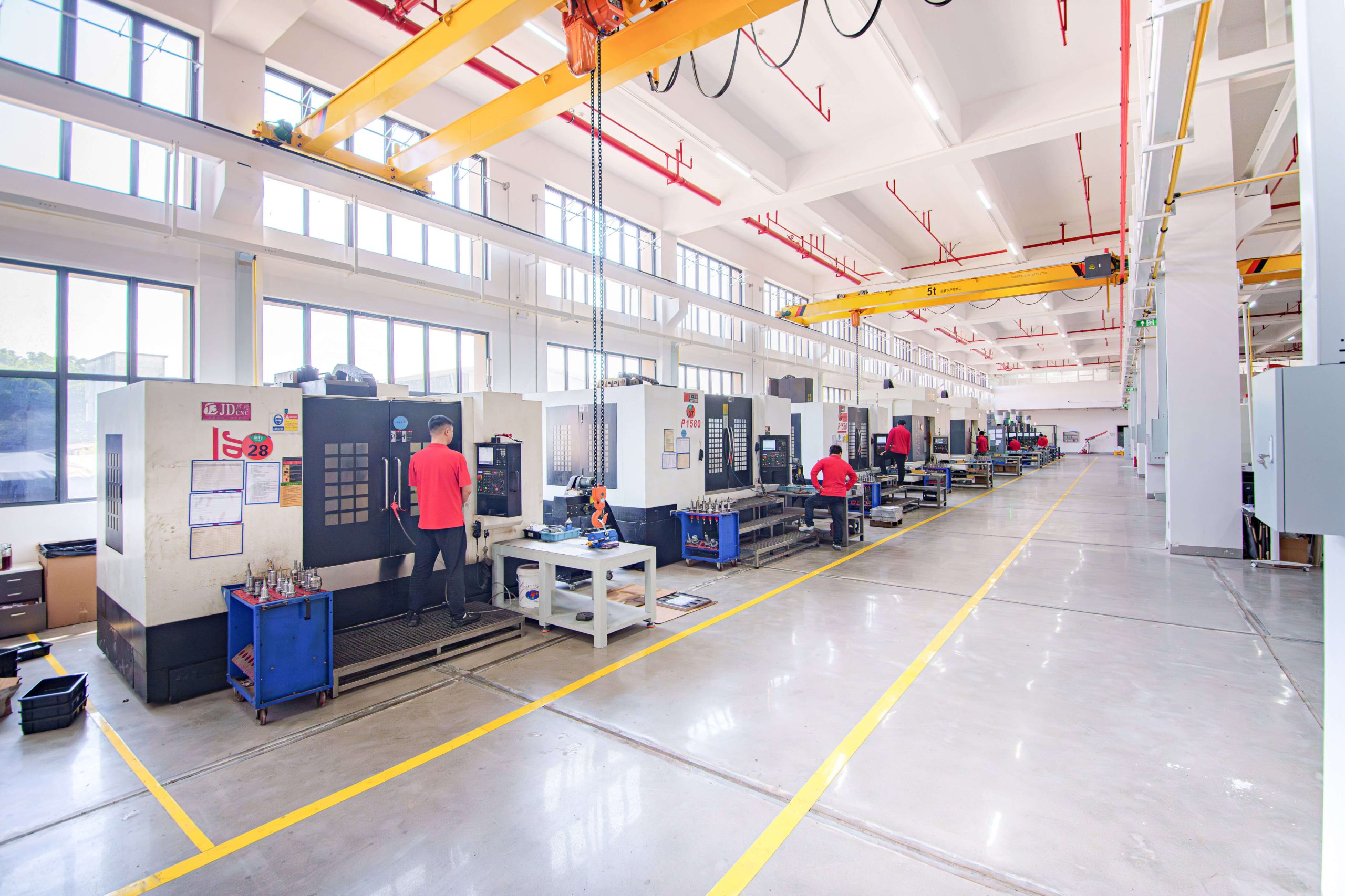
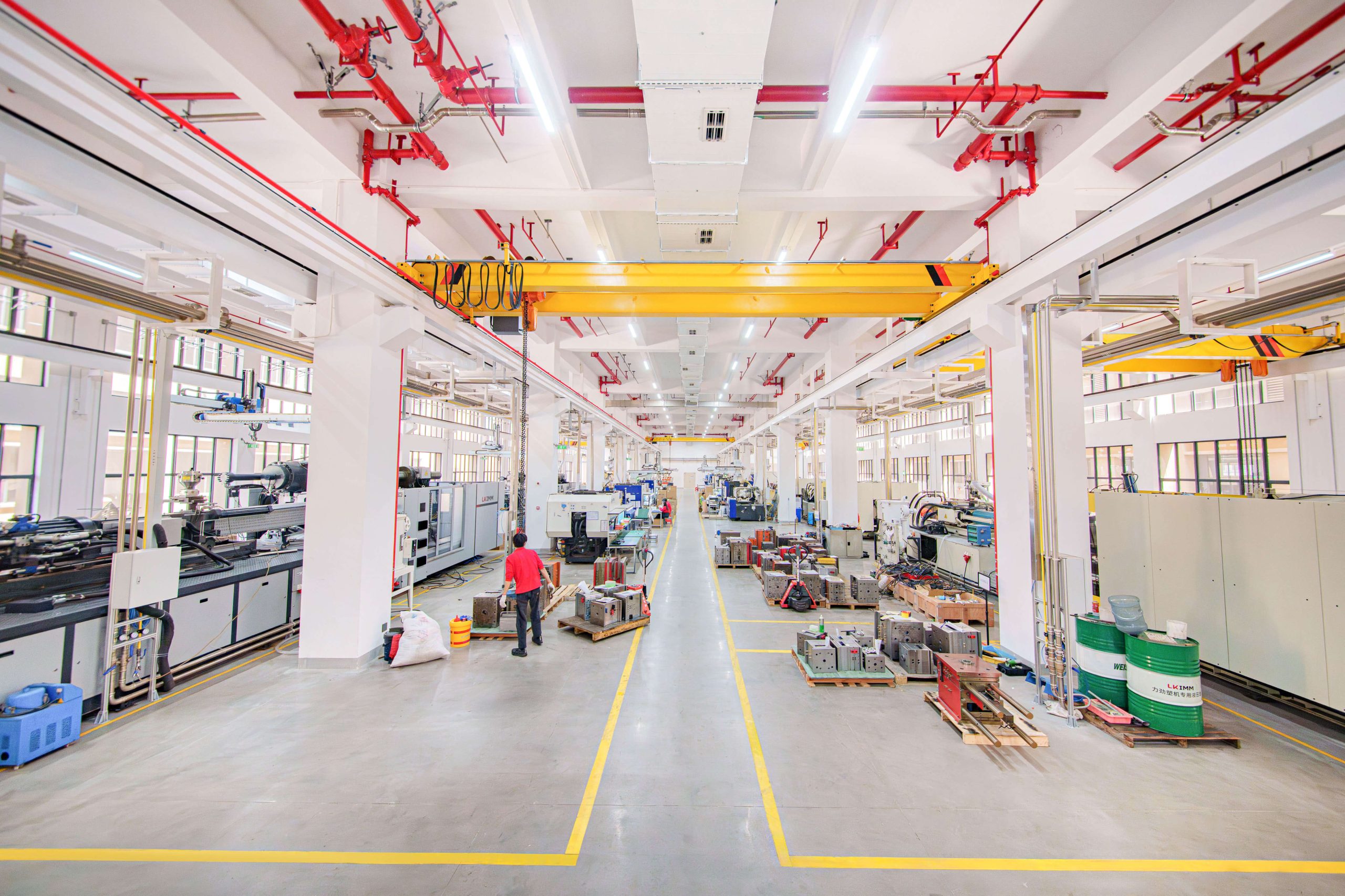
ISO 9001 & IATF 16949 certified processes ensuring high-quality output.
Skilled engineers and operators with decades of manufacturing experience.
Reliable scheduling to ensure your orders are delivered as promised.
Tailor-made services to meet your specific project requirements.
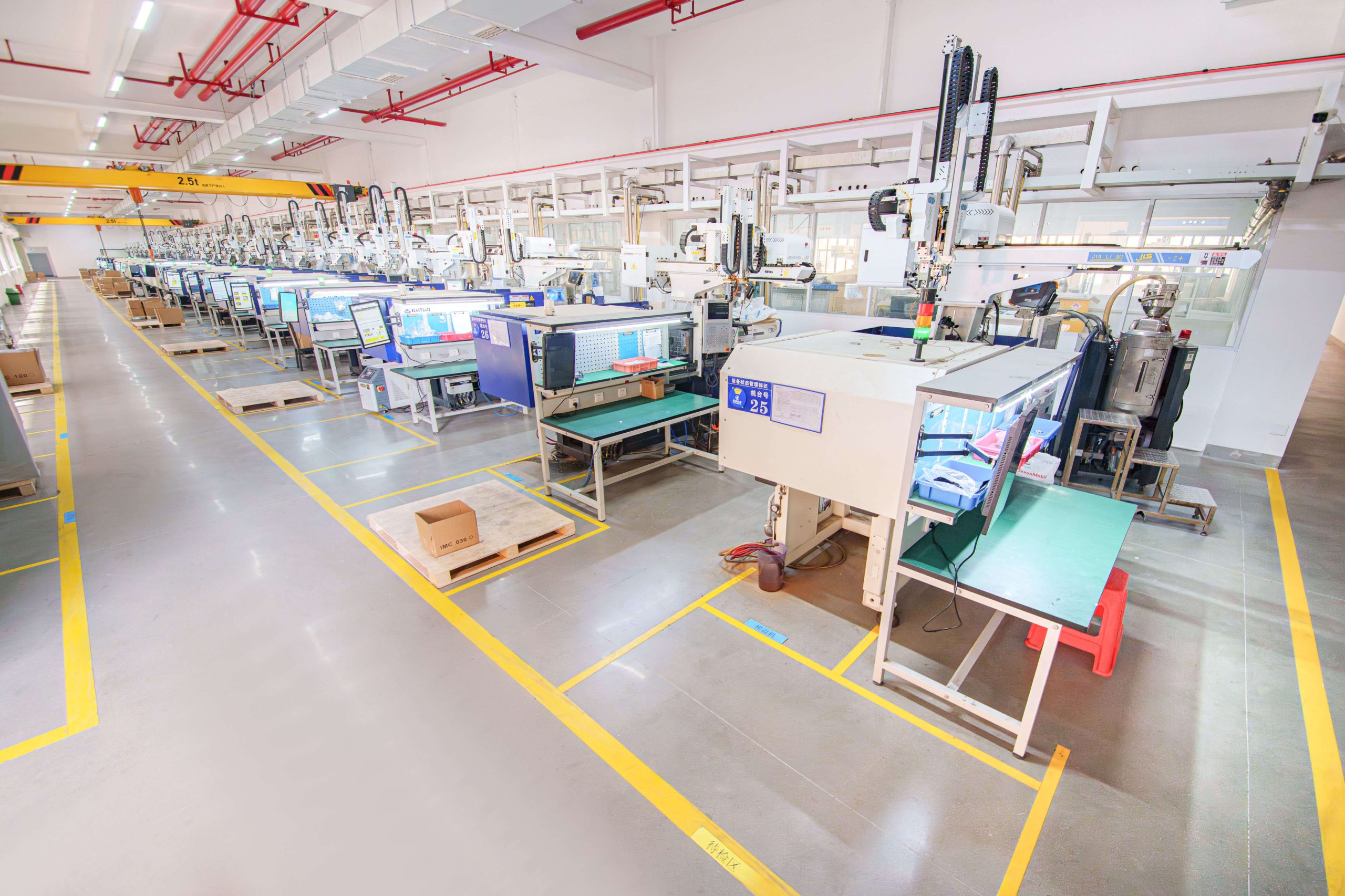
Capable of low-volume, prototyping, and large-scale production efficiently.
Understanding the differences between these two processes helps you choose the right solution based on your product’s performance requirements, material structure, and application environment.
| Feature | Overmolding | Insert Molding |
|---|---|---|
| Process | Second material molded over base part | Plastic molded around insert |
| Purpose | Comfort, sealing, multi-material design | Functional metal/plastic integration |
| Materials | Plastic + rubber/plastic | Metal + plastic |
| Complexity | Medium | Medium–High |
| Typical Use | Grip, sealing, aesthetics | Structural reinforcement |
Explore how overmolding technology enhances product performance by combining rigid structural materials with soft-touch functional surfaces. This case study highlights the manufacturing process, material selection, and key advantages behind an ergonomic overmolded tool handle designed for improved grip, durability, and user comfort in demanding industrial applications.
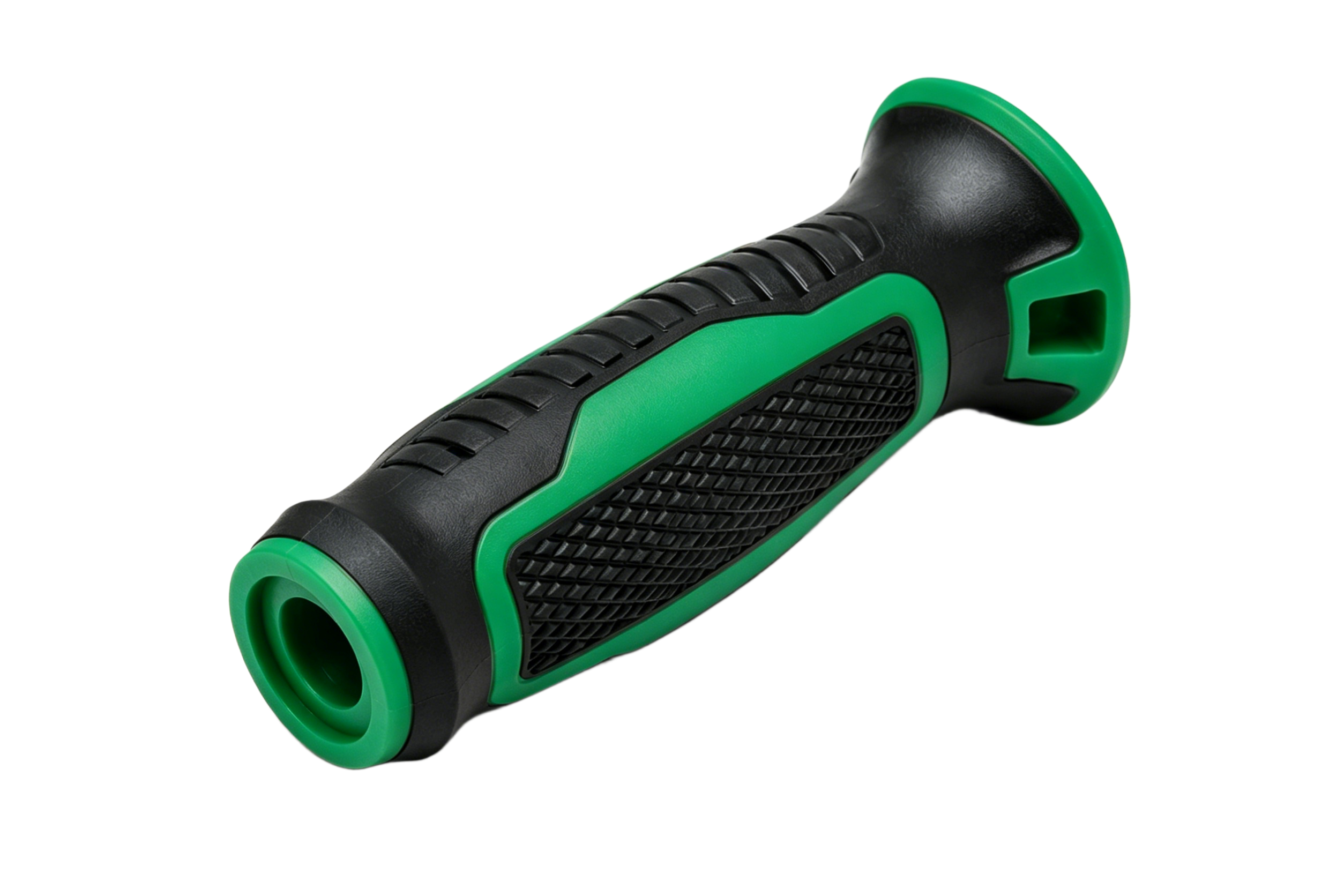
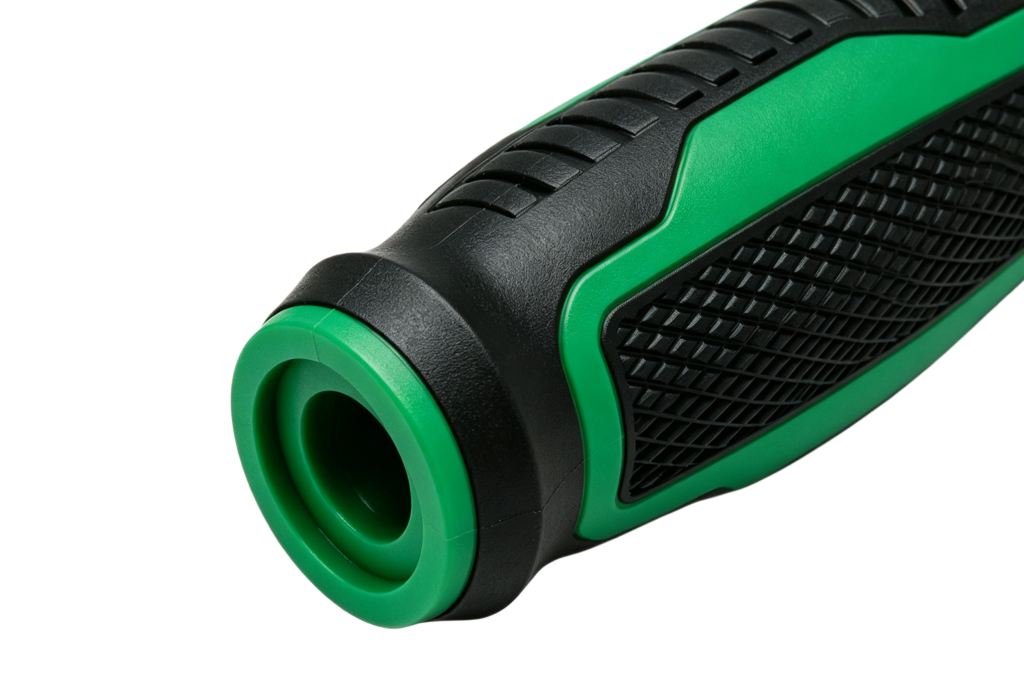
This project features an ergonomic overmolded tool handle designed to improve grip, comfort, and durability. By combining a rigid plastic base with a soft TPE overmold layer, the product achieves better functionality, user experience, and product appearance.
| Item | Details |
|---|---|
| Product Type | Ergonomic Overmolded Tool Handle |
| Manufacturing Process | Overmolding Injection Molding |
| Base Material | PA (Nylon) / ABS |
| Overmold Material | TPE / TPU |
| Main Function | Improved grip, comfort, and durability |
| Surface Design | Anti-slip textured pattern |
| Key Advantages | Soft-touch feel, shock absorption, enhanced safety |
| Product Features | Dual-material structure, ergonomic design |
| Typical Applications | Hand tools, power tools, industrial equipment |
| Production Benefit | Reduced assembly and improved product integration |
Overmolding combines multiple materials into a single integrated component, allowing manufacturers to improve both product performance and user experience. By combining rigid plastics, soft elastomers, or metal substrates, overmolding helps reduce assembly steps while enhancing durability, appearance, sealing, and ergonomics. This process is widely used in industries requiring high-performance parts with premium aesthetics and reliable functionality.
Soft-touch materials improve ergonomics and provide a comfortable, non-slip surface for better user handling.
The outer overmold layer helps absorb shock, reduce wear, and protect internal structures from damage.
Multiple colors and textures can be combined to create premium-looking products with modern visual appeal.
Integrating multiple materials into a single molded part minimizes secondary assembly and adhesive bonding processes.
Overmolding can create integrated seals that improve resistance against moisture, dust, and environmental exposure.
Designers can combine rigid and flexible materials to create complex geometries and multifunctional product designs.
Common combinations include ABS + TPE, PC + TPU, Nylon + rubber, and silicone over plastic or metal substrates.
Overmolding usually involves molding over an existing part, while two-shot molding uses two materials in a single automated molding cycle.
Yes. Overmolding is commonly used to create seals and protective barriers for electronic and industrial products.
Yes. Rapid tooling allows cost-effective overmolding for prototypes and small production runs.
Automotive, medical, electronics, industrial equipment, power tools, and consumer products are major industries using overmolding.
Yes. Metal inserts or frames can be overmolded with plastic or rubber materials for improved functionality and protection.
Caution: RapidMfg-online is full Chinese company, please don’t send any enquiry items involved export controlled by U.S. law. e.g. EAR, ITAR etc