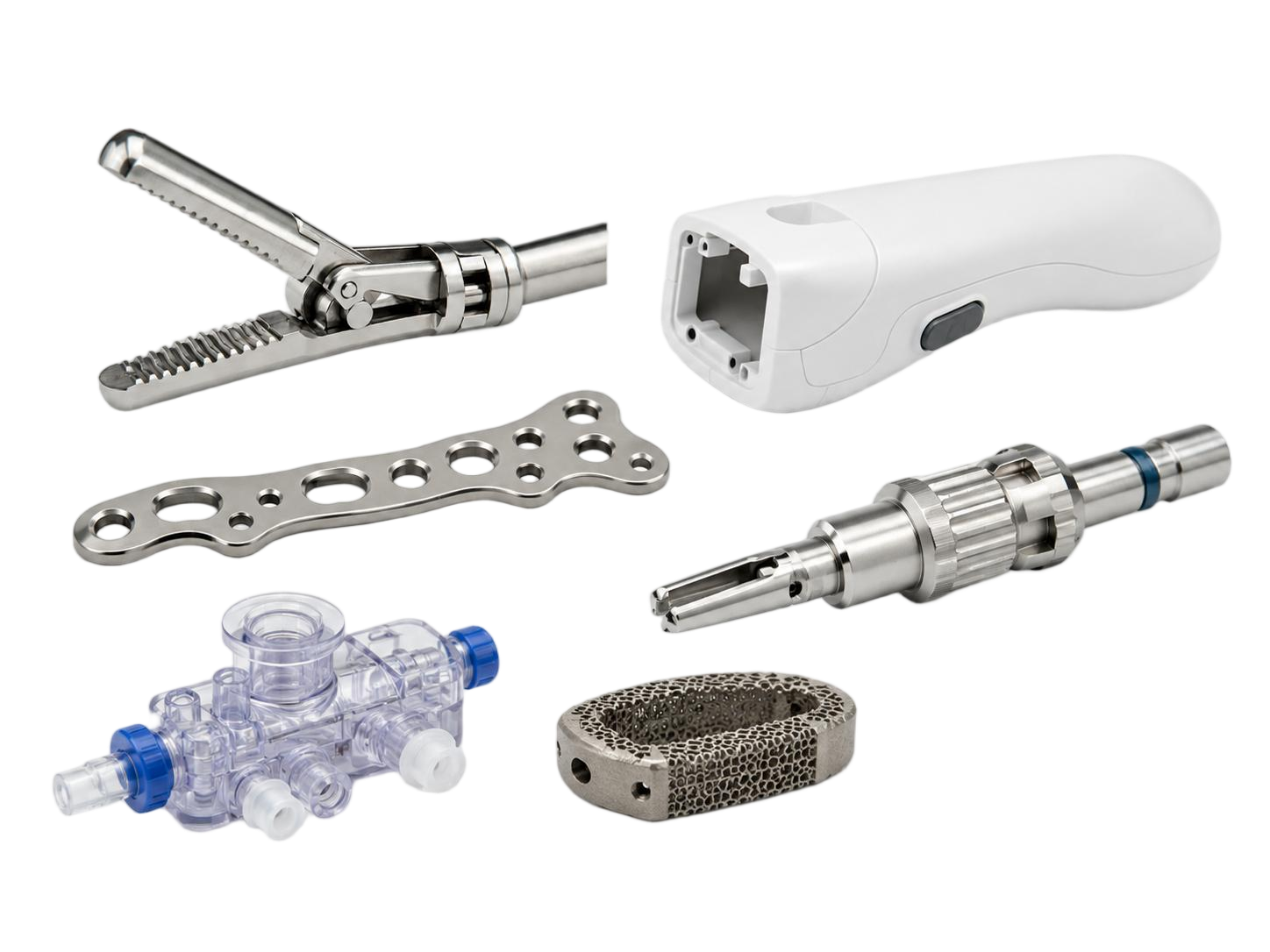
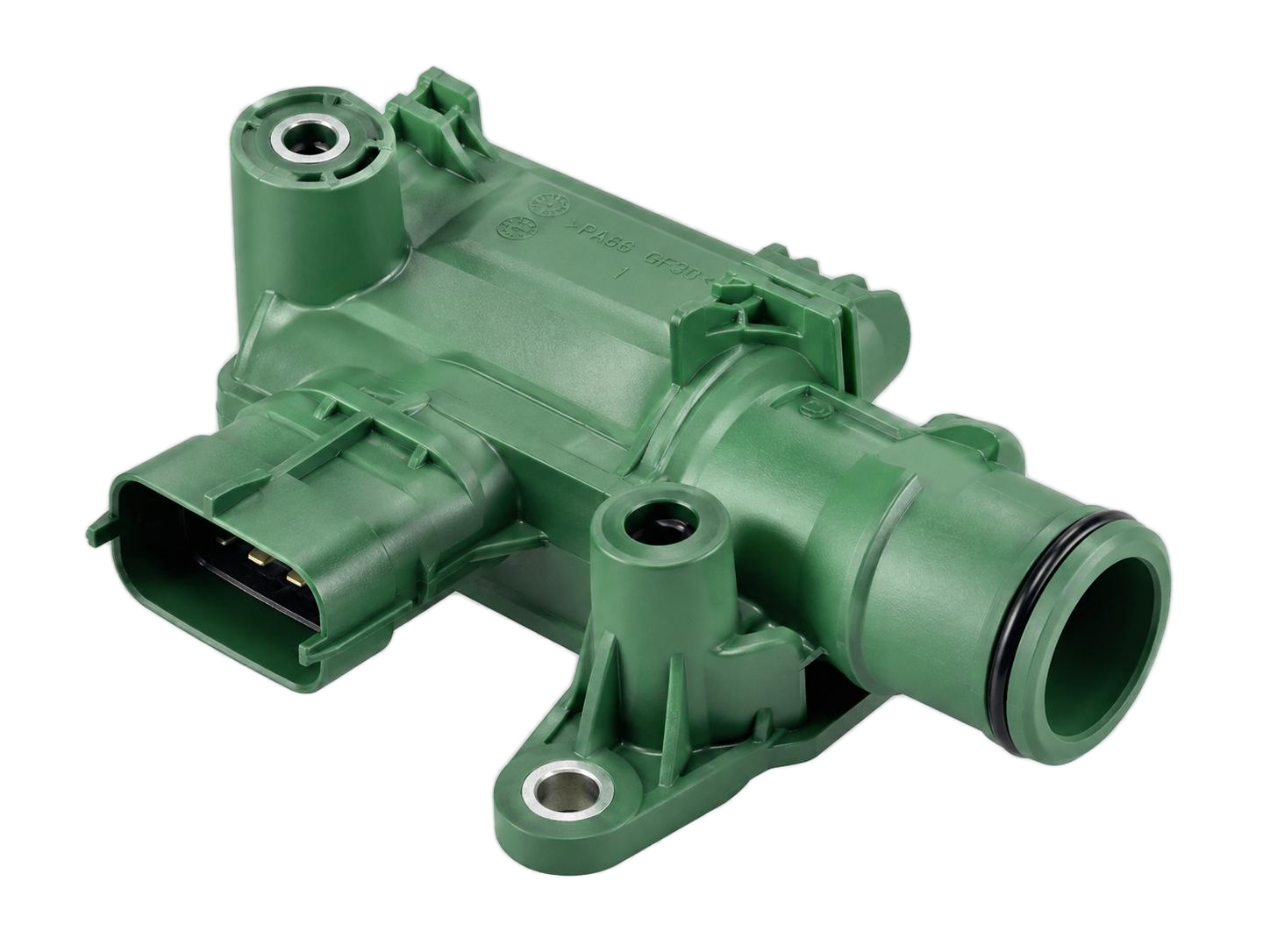
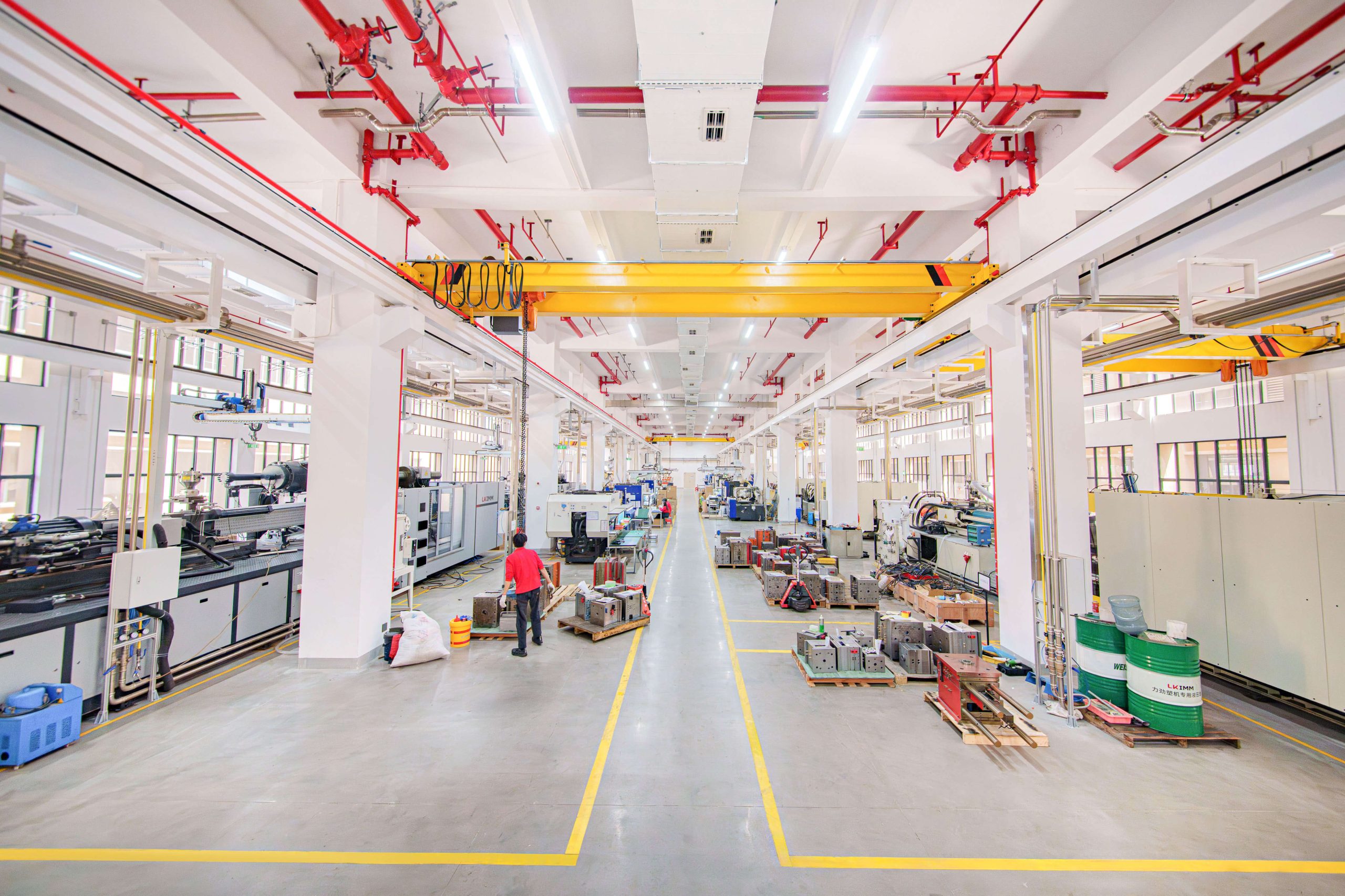
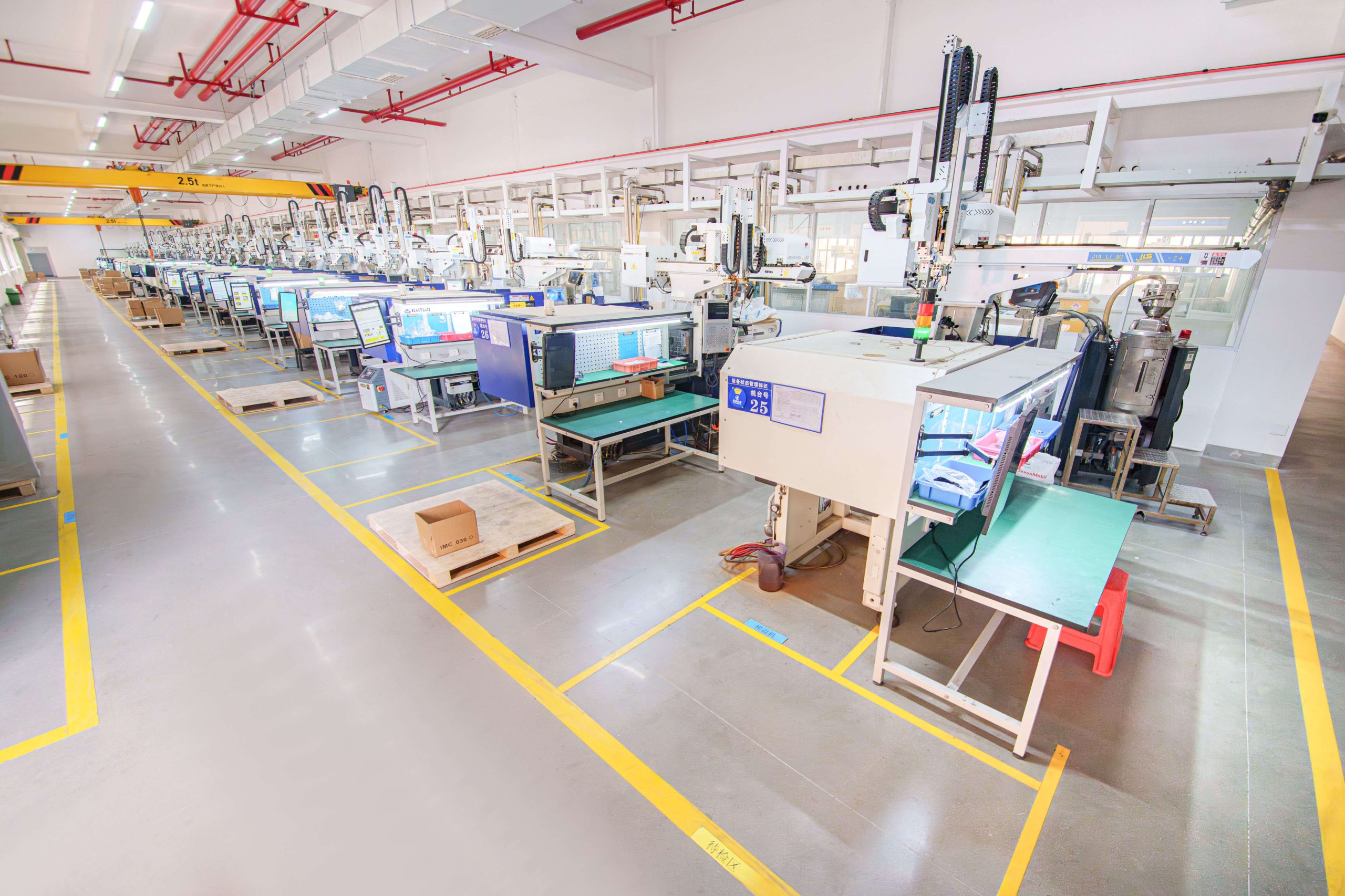




Injection molding is one of the most widely used manufacturing processes in modern industry. From automotive components and medical devices to consumer electronics and household products, millions of plastic parts are produced every day through injection molding. The process offers exceptional repeatability, high production efficiency, and the ability to create complex geometries with tight tolerances.
As industries continue to demand faster production cycles, lower manufacturing costs, and improved product quality, injection molding remains a preferred solution for mass production. Companies like rapidmfg-online help businesses transform product concepts into high-quality molded components through advanced manufacturing technologies and engineering expertise.
This article explores the fundamentals of injection molding, its advantages, materials, applications, design considerations, and how to optimize your project for successful production.
What Is Injection Molding?
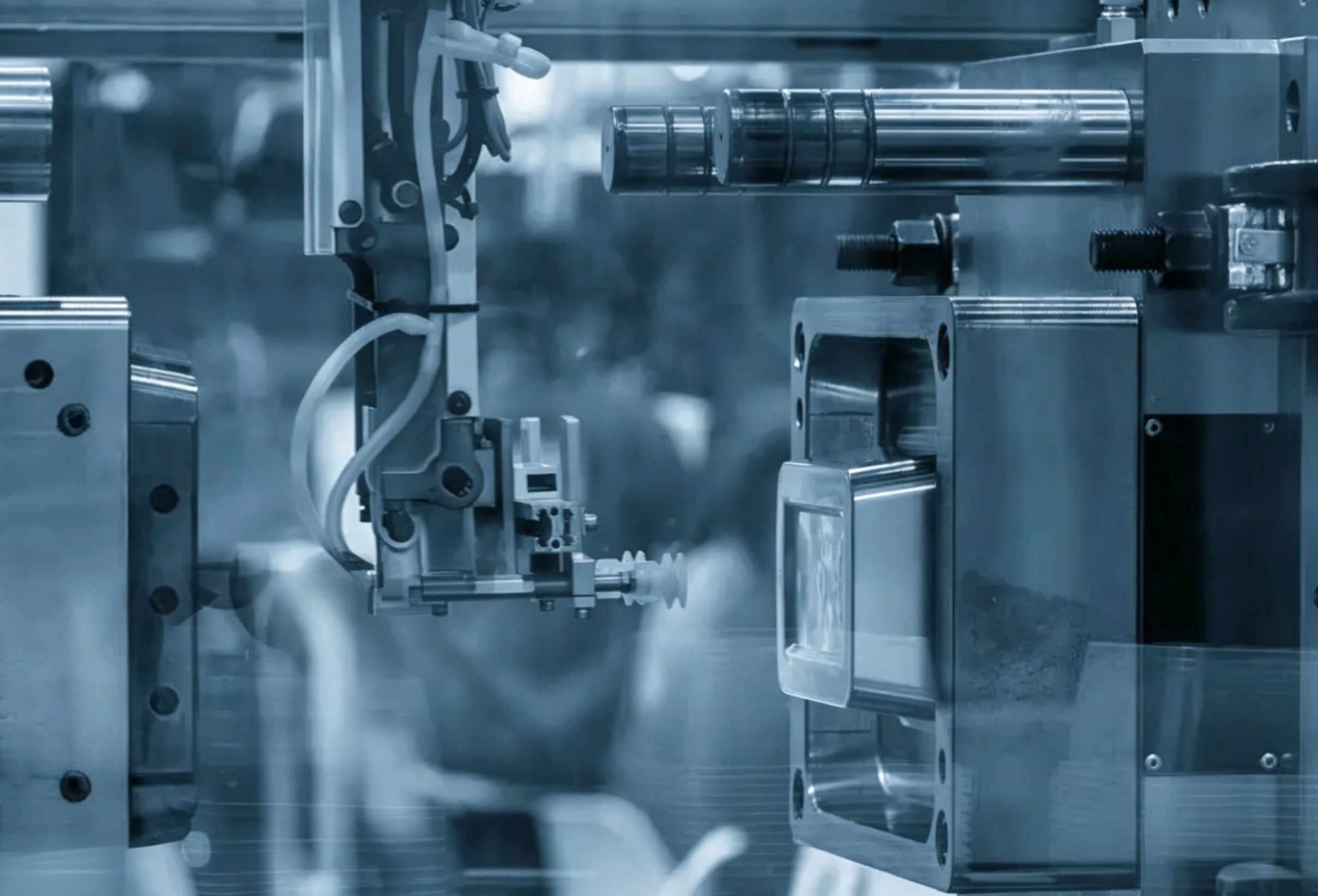
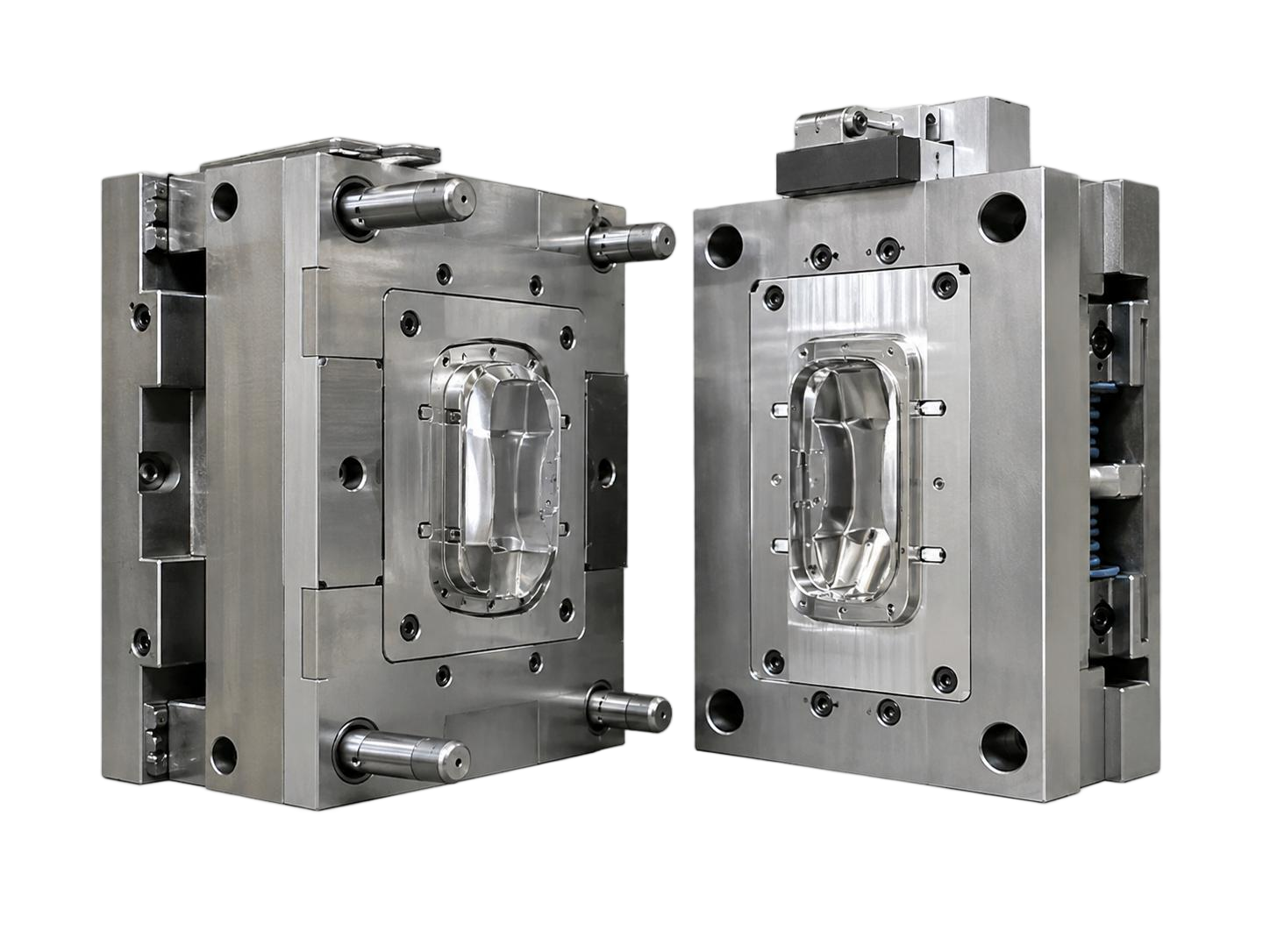
Injection molding is a manufacturing process used to produce parts by injecting molten material into a mold cavity. The material, typically plastic resin, is heated until it becomes liquid and then forced under pressure into a precisely designed mold. Once cooled and solidified, the part is ejected from the mold and prepared for use or further processing.
The process is particularly suitable for producing large quantities of identical parts because a single mold can generate thousands or even millions of components with consistent quality.
The basic injection molding cycle consists of four stages:
- Material melting
- Injection into the mold
- Cooling and solidification
- Part ejection
This cycle can often be completed in just a few seconds, making injection molding one of the most efficient manufacturing methods available today.
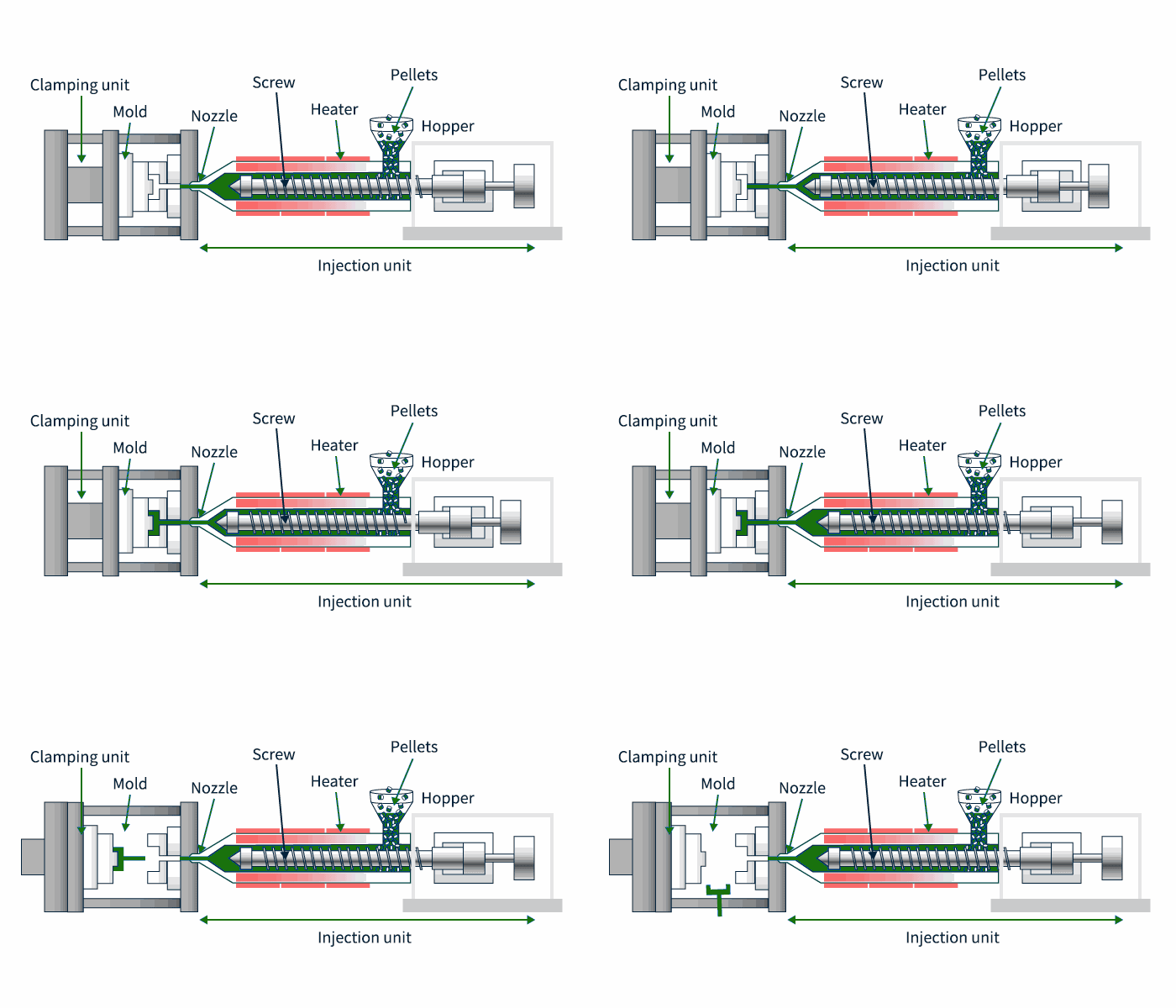
How the Injection Molding Process Works
1. Material Preparation
Plastic pellets are loaded into a hopper and fed into a heated barrel. The material is gradually melted as it moves through the barrel with the help of a rotating screw.
2. Injection
Once enough molten plastic has accumulated, the screw moves forward and injects the material into the mold cavity under high pressure.
3. Packing and Holding
Additional pressure is applied to compensate for material shrinkage during cooling. This helps ensure dimensional accuracy and surface quality.
4. Cooling
The molten plastic cools inside the mold and solidifies into the desired shape. Cooling time often represents the largest portion of the molding cycle.
5. Ejection
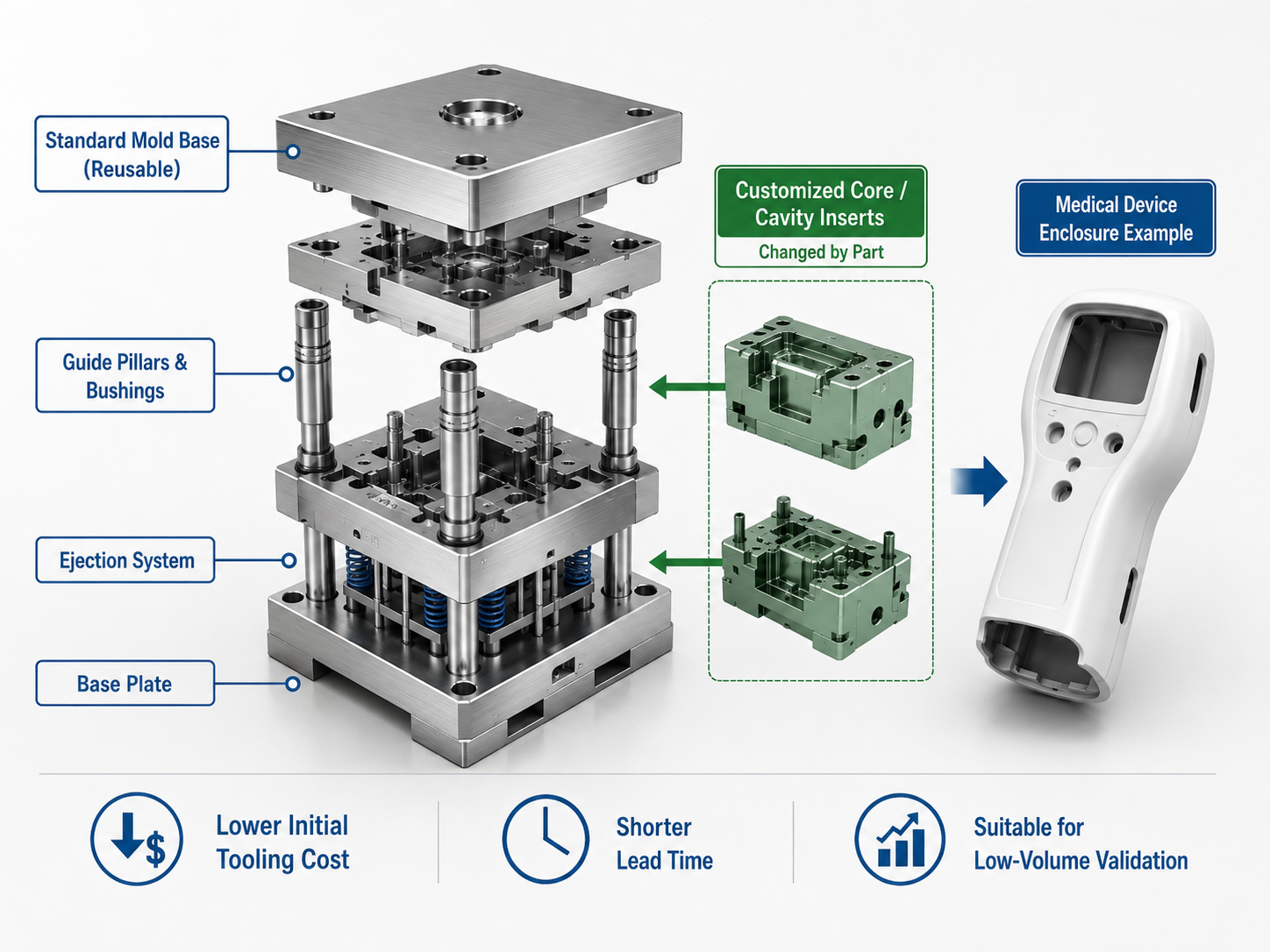
After sufficient cooling, ejector pins push the finished part out of the mold. The cycle then repeats.
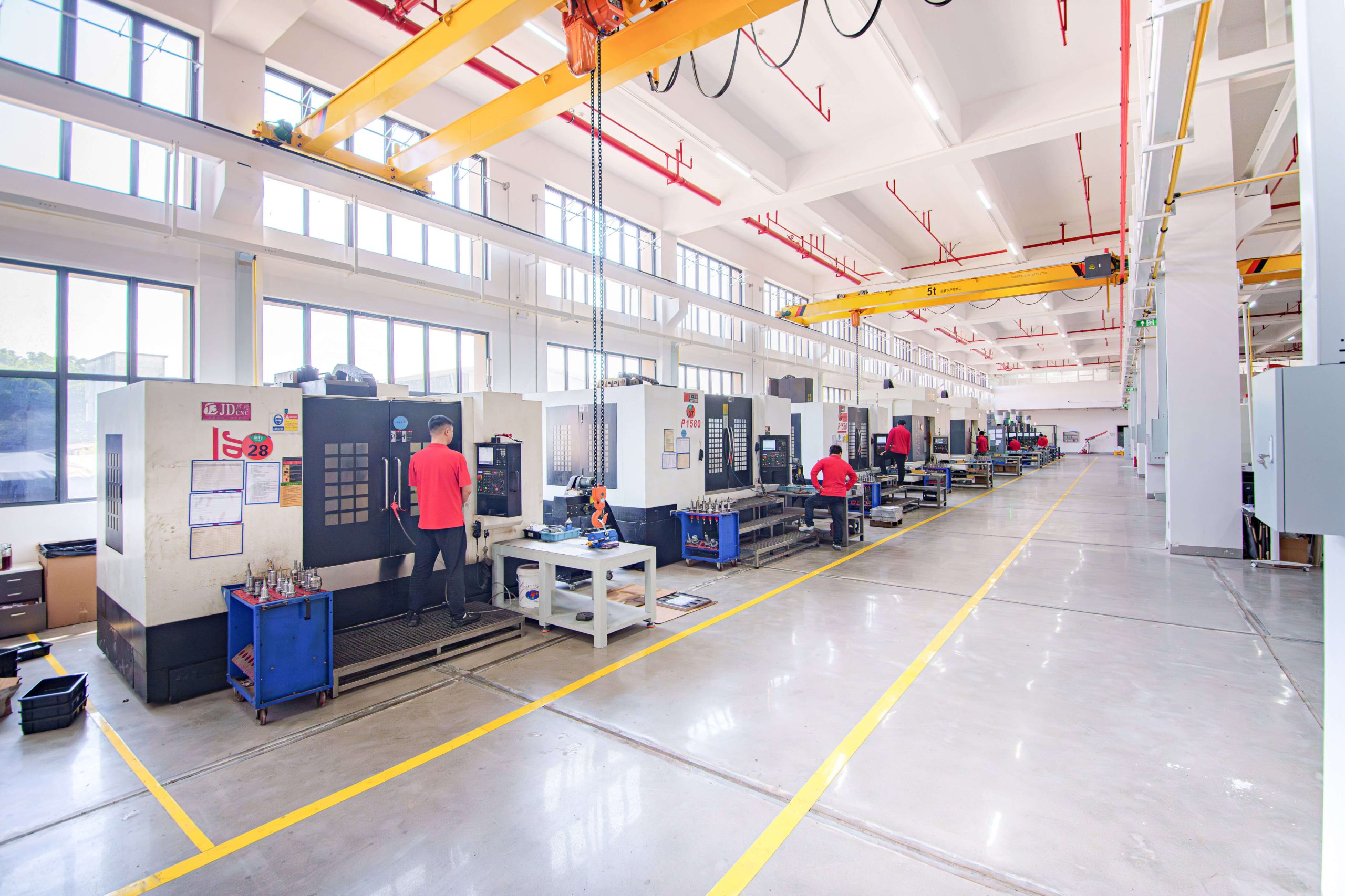
Advanced manufacturers such as rapidmfg-online use sophisticated molding equipment and process controls to maintain consistent quality throughout production.
Advantages of Injection Molding
Injection molding offers numerous benefits that make it attractive for manufacturers across industries.
High Production Efficiency
Once the mold is built, production cycles are extremely fast. Thousands of parts can be produced in a relatively short period.
Excellent Repeatability
Injection molding delivers highly consistent parts with minimal variation between production runs.
Complex Geometry Capability
The process can produce intricate features, thin walls, undercuts, and detailed surface textures that would be difficult or impossible with other manufacturing methods.
Low Material Waste
Excess material can often be recycled and reused, reducing waste and lowering material costs.
Scalability
Whether producing several thousand parts or millions of units, injection molding can easily accommodate high-volume manufacturing requirements.
Cost-Effective for Large Volumes
Although tooling costs can be significant initially, the low per-part cost makes injection molding highly economical for mass production.
Injection Mold Design Considerations
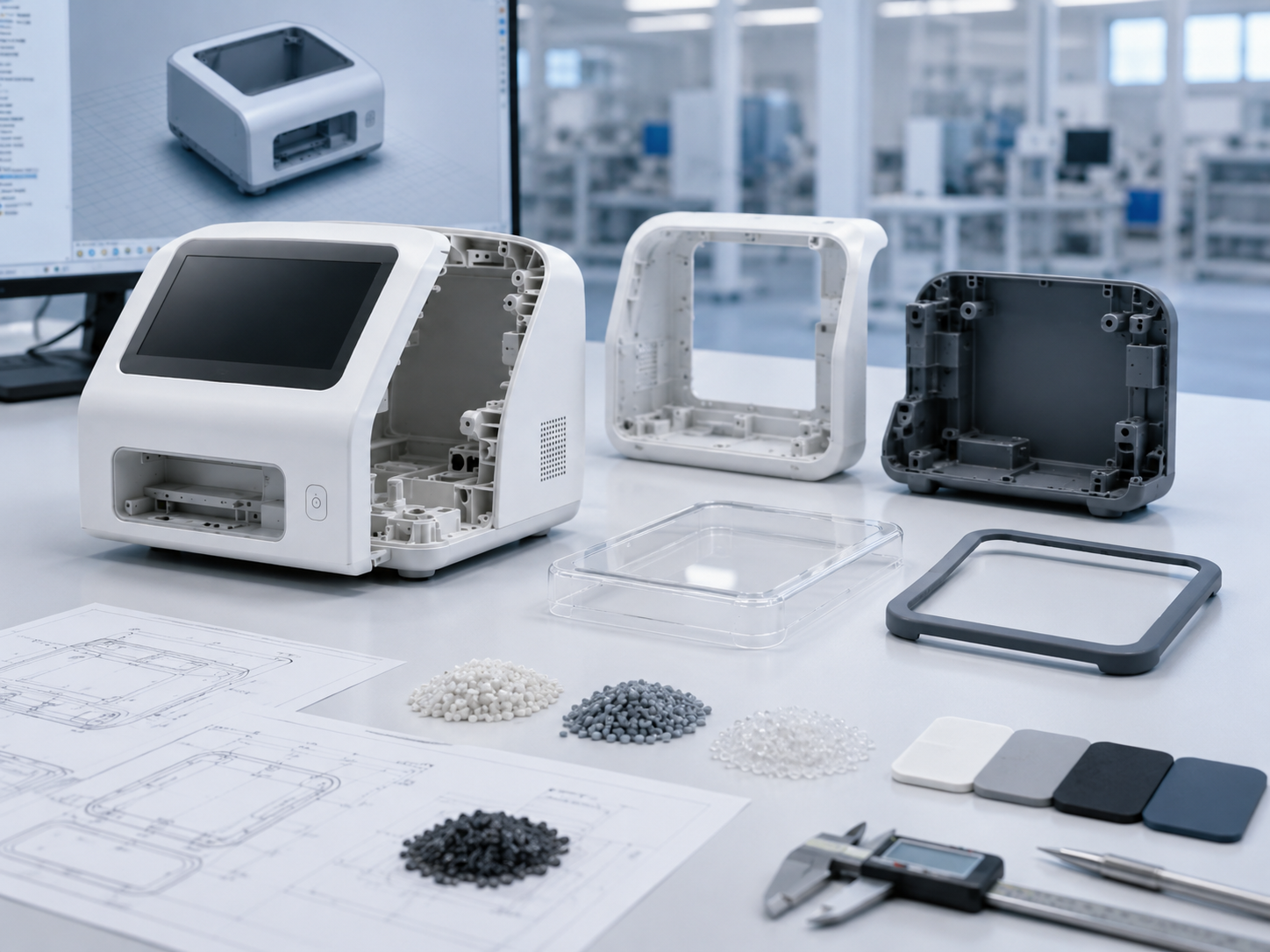
Successful injection molding begins with proper part design.
Wall Thickness
Uniform wall thickness promotes even cooling and minimizes defects such as warping and sink marks.
Draft Angles
Draft angles allow parts to be easily removed from the mold without damaging surfaces.
Rib Design
Ribs increase structural strength without significantly increasing material consumption.
Bosses and Mounting Features
Properly designed bosses provide secure fastening points while minimizing stress concentrations.
Gate Placement
Gate location influences material flow, appearance, and overall part quality.
Material Shrinkage
Different plastics shrink at different rates during cooling. Mold designs must compensate for expected shrinkage to achieve accurate final dimensions.
Working closely with engineering teams at rapidmfg-online during the design phase can significantly reduce manufacturing risks and improve product performance.
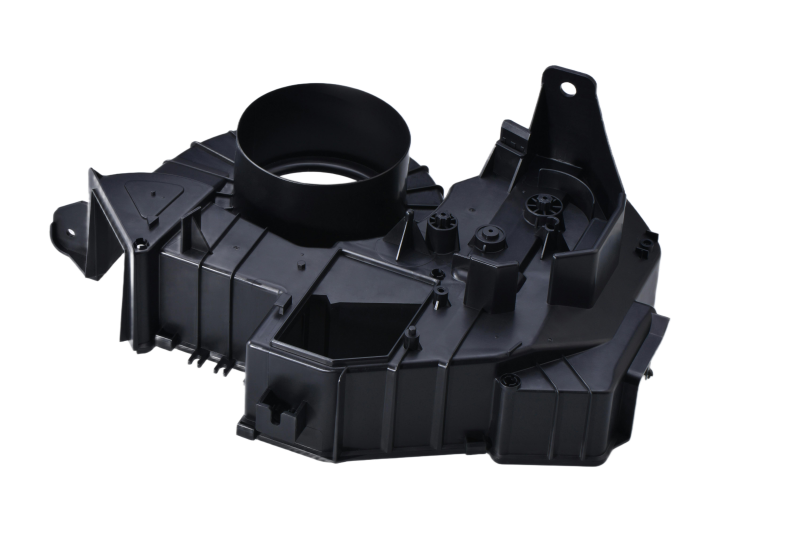
Injection Molding vs. Other Manufacturing Processes
Choosing the right manufacturing process depends on factors such as production volume, cost, lead time, material requirements, and design complexity. The table below compares injection molding with other commonly used manufacturing methods.
| Factor | Injection Molding | CNC Machining | 3D Printing | Vacuum Casting |
|---|---|---|---|---|
| Production Volume | High-volume production (thousands to millions of parts) | Low to medium volumes | Low volumes and prototypes | Low to medium volumes |
| Initial Tooling Cost | High | Low | Very low | Moderate |
| Per-Part Cost | Very low at scale | Relatively high | High | Moderate |
| Lead Time | Longer initial setup due to mold manufacturing | Fast | Very fast | Fast |
| Dimensional Accuracy | Excellent | Excellent | Good to excellent | Good |
| Surface Finish | Excellent | Excellent | Moderate | Excellent |
| Design Complexity | High | High | Very high | High |
| Material Options | Wide range of thermoplastics and engineering plastics | Metals and plastics | Limited compared to molding and machining | Polyurethane-based materials |
| Production Speed | Very fast after tooling is completed | Moderate | Slow for large quantities | Moderate |
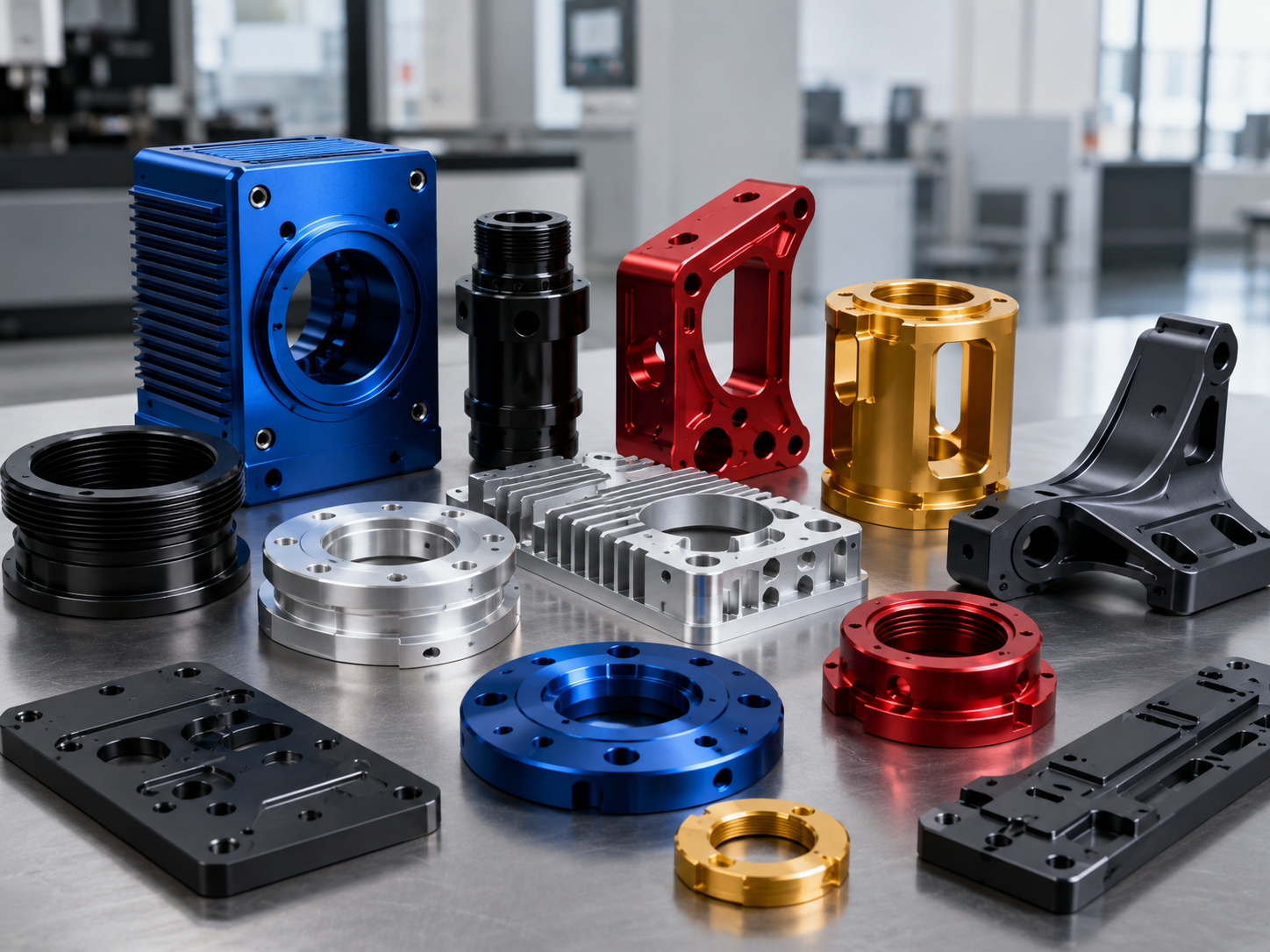
| Best Use Case | Mass production of end-use parts | Precision custom components and low-volume production | Rapid prototyping and design validation | Bridge production and functional prototypes |
When to Choose Injection Molding
Injection molding is typically the best choice when:
- Production volumes exceed several thousand units.
- Consistent quality and repeatability are critical.
- Low per-unit manufacturing costs are required.
- Complex geometries need to be produced at scale.
- Long-term production programs justify tooling investment.
Choosing the Right Injection Molding Partner
Selecting the right manufacturing partner is essential for project success.
When evaluating suppliers, consider:
- Engineering expertise
- Mold design capabilities
- Quality management systems
- Production capacity
- Material selection support
- Industry certifications
- Lead times
- Cost competitiveness
An experienced partner such as rapidmfg-online can provide comprehensive support from design optimization and prototyping through full-scale production, helping businesses reduce development time and improve product quality.
Conclusion
Injection molding remains one of the most efficient, reliable, and cost-effective manufacturing processes available today. Its ability to produce complex, high-quality plastic parts at large volumes makes it indispensable across industries ranging from automotive and aerospace to medical and consumer electronics.
Success in injection molding depends on proper material selection, thoughtful part design, optimized tooling, and precise process control. By partnering with experienced manufacturers like rapidmfg-online, companies can leverage advanced engineering expertise and production capabilities to bring innovative products to market faster and more efficiently.
As manufacturing technologies continue to advance, injection molding will remain a cornerstone of modern production, enabling businesses to meet growing demands for quality, performance, and scalability.
Ready to Start Your Injection Molding Project?
Whether you need rapid prototypes, low-volume production, or high-volume injection molded parts, the experienced engineering team at rapidmfg-online is ready to support your project from concept to production. Contact us now!